Retinol for Beginners: How to Start Without Wrecking Your Barrier
Most retinol disasters are just a too-fast ramp-up. A week-by-week starter plan, the buffering tricks that prevent the flaky phase, and three gentle first formulas to choose from.
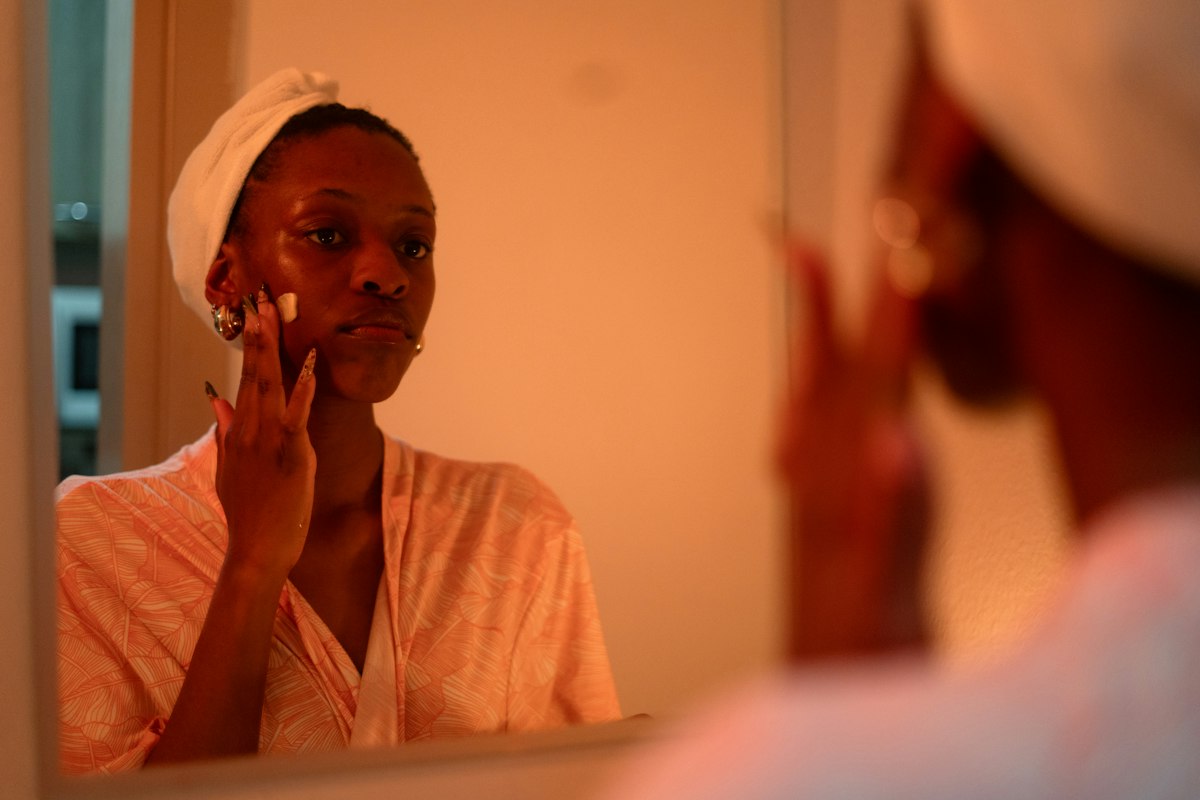
It usually starts with good intentions and ends with a flaky forehead. Someone recommends retinol, you buy the strongest one you can find, you use it every night like a moisturizer — and by day five your skin is tight, peeling around the mouth, and your usual moisturizer suddenly stings. Then you conclude retinol "doesn't work for you."
Here's the thing: that reaction is rarely a sign you're allergic to retinol. It's a sign the ramp-up was too fast. Retinol is one of the most rewarding ingredients in skincare for texture, tone, and the look of fine lines — but it rewards patience and punishes enthusiasm. This guide is the slow, boring, actually-works way in.
The short version
Start with a low strength, use a pea-sized amount two nights a week, buffer it with moisturizer if you're sensitive, and increase slowly over two to three months. Expect a few weeks of dryness or flaking while your skin adjusts — that's the normal "retinization" period, not a reason to quit (burning and raw, cracked skin are reasons to pause). Three beginner-appropriate formulas:
- CeraVe Skin Renewing Retinol Serum
- La Roche-Posay Retinol B3 Serum
- The Ordinary Retinol 0.2% in Squalane
What to look for
Strength first. Over-the-counter retinol is sold in percentages, and for a beginner, 0.1–0.3% is the sweet spot. Higher percentages exist, but starting there mostly buys you irritation without faster results. Some formulas use encapsulated retinol, which releases the active gradually and tends to be gentler — a genuinely useful feature for first-timers, not just marketing.
The supporting cast matters as much as the retinol itself. Look for formulas that include soothing and barrier-friendly ingredients alongside it: niacinamide, ceramides, panthenol (vitamin B5), licorice root extract, or a hydrating base like squalane or hyaluronic acid. A retinol serum that reads like a moisturizer with retinol in it will be far easier to stick with than a bare, high-strength active in a watery base.
One label note: retinol is not the same as prescription retinoids, and gentler cousins like retinal (retinaldehyde) and granactive retinoid also exist. Retinal works faster for some people but is a step up in potency; save it for later. For your first three months, plain, low-strength retinol is plenty.
Skin Renewing Retinol Serum
- Encapsulated retinol for gradual release
- With ceramides, niacinamide and licorice root extract
- Fragrance-free cream-serum texture
What we like
- Designed specifically to be gentle enough for nightly use
- Barrier-supporting ingredients built into the same bottle
Good to know
- Brand doesn't disclose the retinol percentage
- Results are gradual — it's a starter, not a strength product
Retinol B3 Serum
- Pure retinol plus gradual-release retinol
- Niacinamide (vitamin B3) in the same formula
- Lightweight serum that layers under night cream
What we like
- Combines retinol with a well-known soothing partner ingredient
- Suitable ramp-up strength for most first-time users
Good to know
- Contains fragrance, which very reactive skin may not love
- Pricier than other beginner options
Retinol 0.2% in Squalane
- 0.2% retinol — a true starter strength
- Squalane base softens the dry feel retinol can cause
- Alcohol-free and fragrance-free
What we like
- The percentage is printed on the bottle, no guessing
- Anhydrous base helps retinol stability
Good to know
- Oily finish from the squalane won't suit everyone at night
- Even at 0.2%, some peeling in the first weeks is normal
The starter routine, week by week
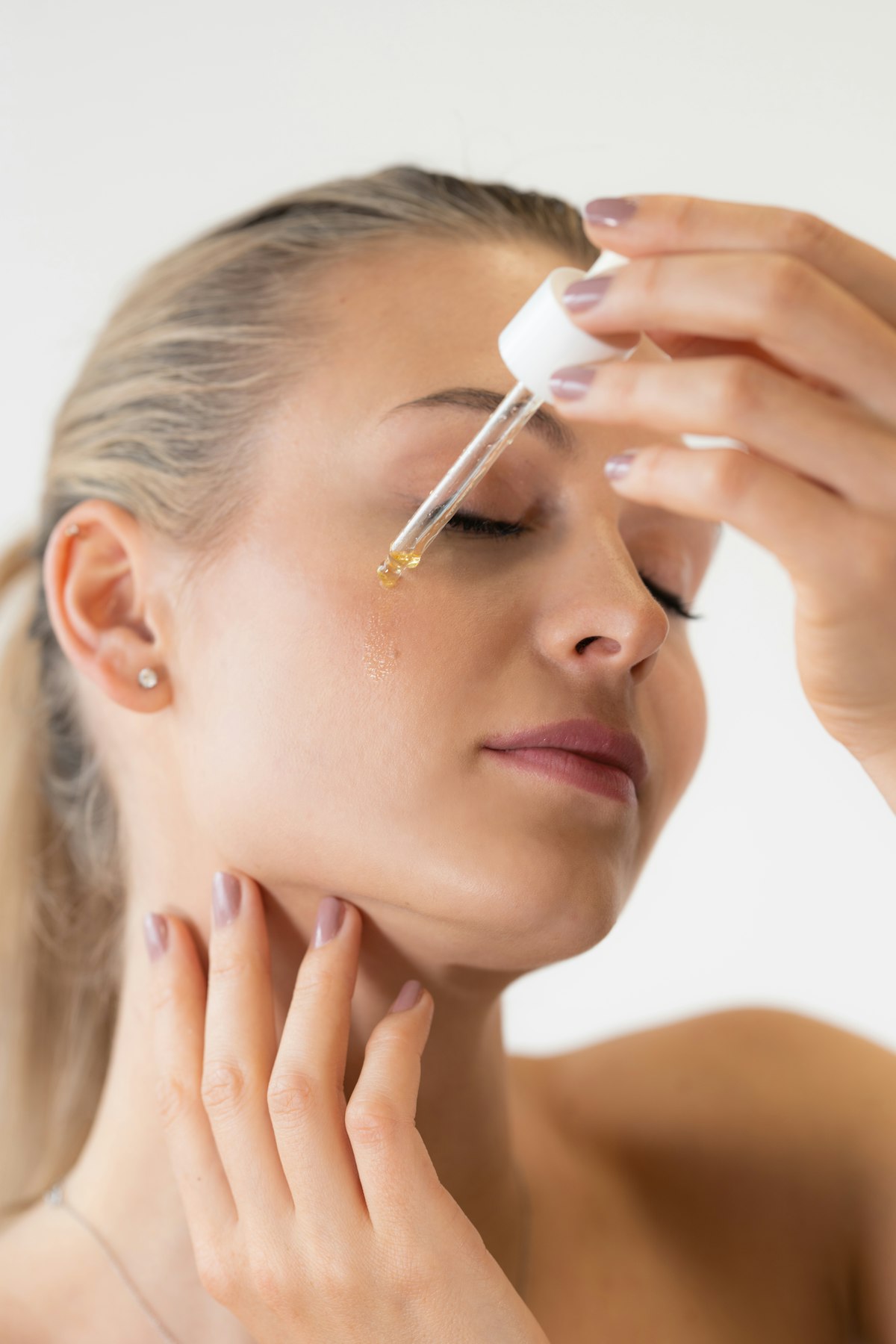
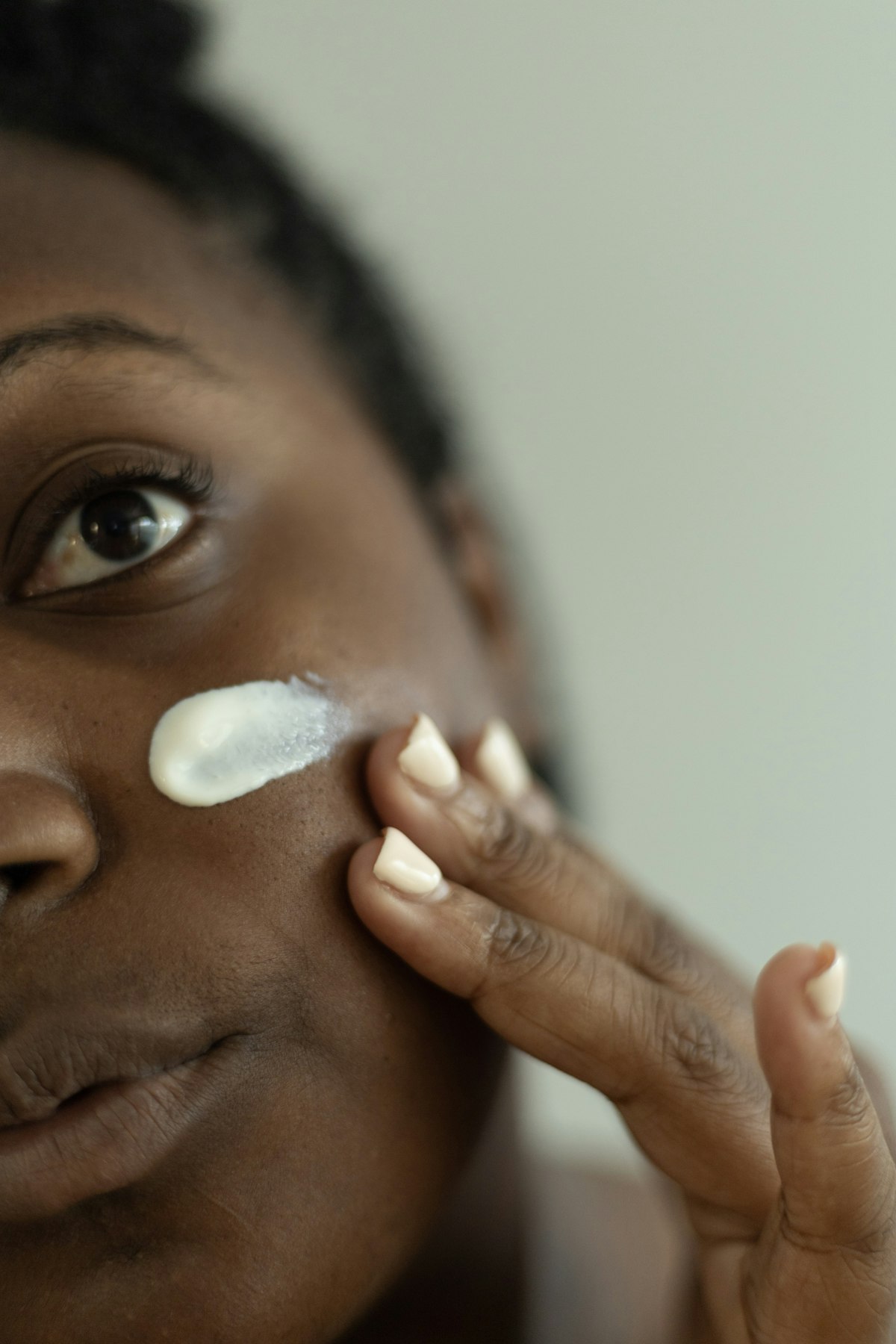
Weeks 1–2: retinol twice a week, on non-consecutive nights (say Monday and Thursday). Apply it at night, after cleansing, to completely dry skin — damp skin absorbs more and irritates more. Use a pea-sized amount for the whole face, avoiding the eye corners, the sides of the nose, and the lips. Follow with moisturizer.
Weeks 3–4: if your skin is calm — no lingering redness, no raw patches — move to three nights a week. Some flaking and tightness is normal; moisturizer is your friend, and an extra layer on dry spots is fine.
Month 2 onwards: increase by one night every week or two as tolerated. Many people settle happily at every-other-night forever; daily use is a possibility, not a requirement. If your skin gets angry at any point, drop back a step for a week — that's the process working, not failure.
Two techniques help enormously. The "sandwich method" — moisturizer, then retinol, then another thin layer of moisturizer — buffers the active while your skin builds tolerance. And keep the rest of your routine gentle during the first month: this is not the time to introduce a strong exfoliating acid as well.
Rules that are not optional
Sunscreen every morning. Retinol makes skin more sun-sensitive, and sun exposure works directly against the tone and texture goals you're using it for. Skipping SPF while using retinol is the most common self-sabotage in skincare.
Don't layer retinol in the same routine with strong exfoliating acids (high-percentage AHA/BHA leave-ons) or benzoyl peroxide when you're starting out — alternate nights instead, and only once your skin is fully settled. Vitamin C in the morning and retinol at night is the classic split.
Skip retinol entirely if you're pregnant or trying to conceive — topical retinoids are not recommended in pregnancy, full stop. If you have eczema, rosacea, or a skin condition you're treating, check with a dermatologist before starting.
FAQ
How long until I see results from retinol?
Texture often feels smoother within 4–6 weeks. Visible changes in the look of fine lines, uneven tone, and post-blemish marks usually take 8–12 weeks of consistent use, and keep improving over months. Judge it at the three-month mark, not the three-week mark.
Is the peeling phase normal?
Mild dryness, tightness, and light flaking in the first 2–6 weeks are common — it's often called retinization. What isn't normal: burning that doesn't fade, raw or cracked skin, swelling, or a rash. Those mean pause, moisturize, and restart lower and slower once skin is calm.
Can I use retinol around my eyes?
The eye area is thin and reactive, so don't apply your face retinol right up to the lash line. Many people tolerate it on the orbital bone once adjusted, applied sparingly — but dedicated eye-area retinoid products exist precisely because this skin is different. When in doubt, keep it to the outer third and buffer with moisturizer.
What happens if I stop using retinol?
Nothing dramatic — your skin gradually returns to its previous pace of cell turnover over the following weeks, and the improvements soften. There's no rebound effect where skin gets worse than before.
Retinol has a reputation for being difficult, but really it's just honest: it tells you immediately when you've rushed. Go slower than feels necessary, moisturize like you mean it, wear your sunscreen — and three months from now you'll understand why people call it a long game worth playing.