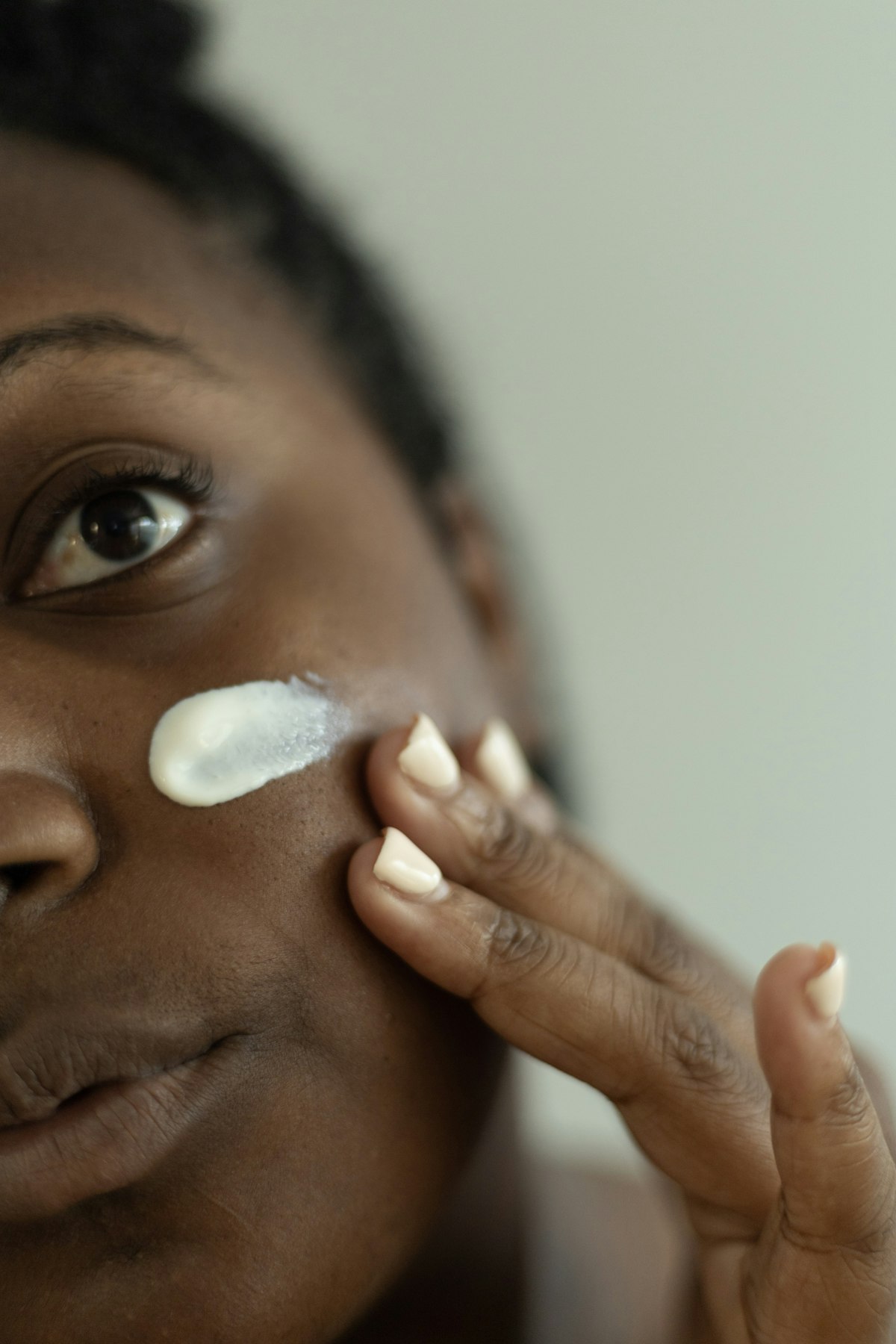
Ceramide Creams for Barrier Repair: What to Look For
When everything suddenly stings, your barrier is asking for help. How to read a ceramide label properly, run a two-week repair reset, and bring your actives back without undoing the progress.
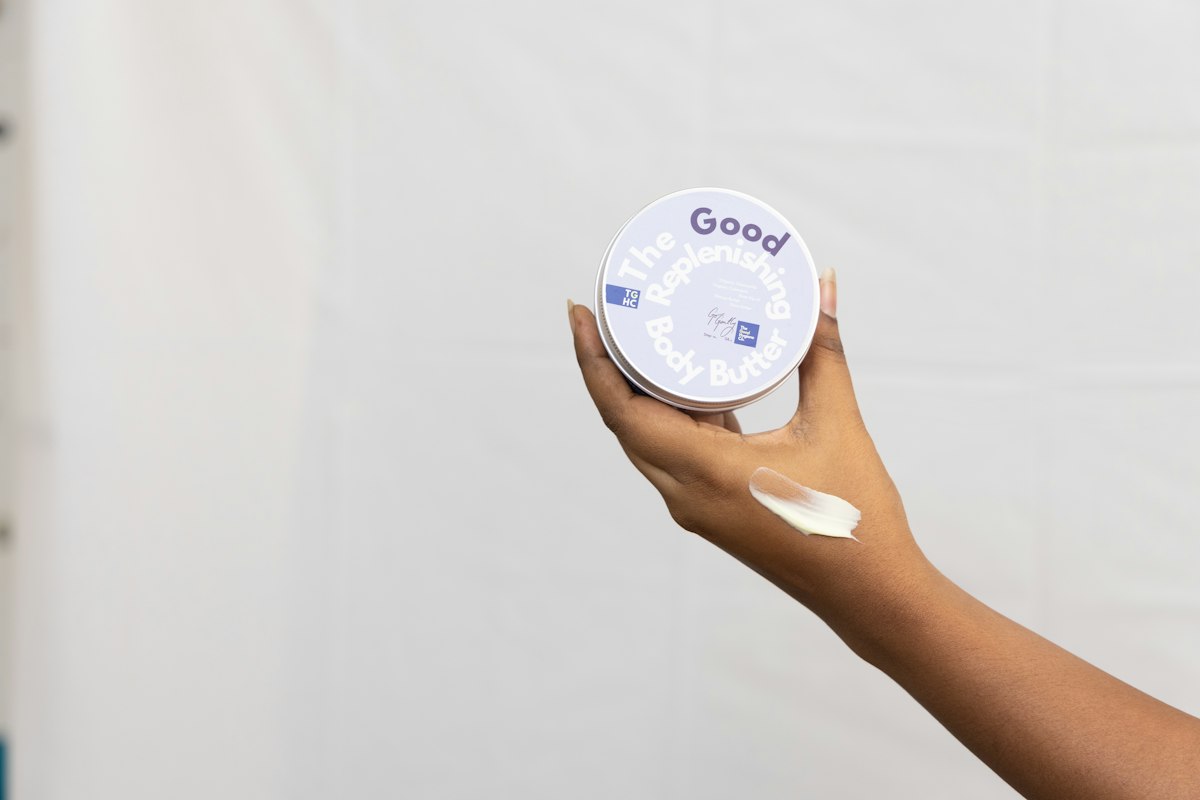
There's a particular kind of skin day that doesn't photograph well but feels unmistakable: everything stings a little. Your gentle moisturizer — the one you've used for a year — suddenly burns on application. Your cheeks are red and tight after a lukewarm shower. Products that were fine last month aren't fine now. That constellation usually means one thing: your skin barrier is having a rough patch.
The barrier is the outermost layer of skin, and when it's depleted — by over-exfoliating, harsh weather, too many actives at once, or plain stress — it lets water out and irritants in. Ceramide creams are the classic response, because ceramides are literally one of the barrier's main building materials. Here's how to choose one and use it well.
The short version
When skin feels tight, stingy, and reactive, simplify everything and lean on a ceramide-rich cream for a few weeks. The best formulas pair several ceramides with cholesterol and fatty acids (the barrier's natural ratio), include soothing support like panthenol, and skip fragrance. Three worth your money:
- CeraVe Moisturizing Cream
- Vanicream Moisturizing Cream
- Illiyoon Ceramide Ato Concentrate Cream
What to look for
Start with the ceramides themselves. Labels list them as Ceramide NP, AP, EOP, NS, or AS (older labels use numbers like Ceramide 1, 3, and 6-II). A formula with two or three different ceramides is a good sign, but the company they keep matters more: in the skin, ceramides work alongside cholesterol and free fatty acids, and well-designed creams include all three families rather than a token sprinkle of one ceramide.
Supporting ingredients to look for: panthenol (vitamin B5), glycerin, squalane, colloidal oatmeal in formulas for very reactive skin, and niacinamide at moderate levels. Petrolatum deserves a special mention — it's unfashionable and unmatched at reducing water loss through the skin's surface.
What to avoid while your barrier is unhappy: fragrance and essential oils, drying alcohols high in the list, and — temporarily — your exfoliating acids and retinoids. A barrier-repair phase is not the moment for actives. Also be skeptical of a "ceramide" cream where ceramides appear dead last, after the fragrance: dose matters.
Moisturizing Cream
- Three ceramides (NP, AP, EOP) plus cholesterol
- Petrolatum-based richness that seals in moisture
- Fragrance-free, in a large economical tub
What we like
- The default recommendation for a reason — effective and affordable per ounce
- Works on face and body, day and night
Good to know
- Thick texture can feel heavy on oily skin in the daytime
- Tub packaging means scooping with fingers or a spatula
Moisturizing Cream
- Petrolatum and glycerin on a deliberately short ingredient list
- Free of fragrance, dyes, lanolin and common irritants
- Non-comedogenic and widely used for eczema-prone routines
What we like
- About as inoffensive as a moisturizer gets
- Pump tub keeps it hygienic and easy
Good to know
- No ceramides despite the barrier-friendly profile — it protects rather than replenishes lipids
- Rich finish can look shiny if over-applied
Ceramide Ato Concentrate Cream
- Ceramide Skin Complex with encapsulated ceramides
- Soybean and squalane in a cushiony cream
- Fragrance-free, aimed at dry and sensitive skin
What we like
- Rich but absorbs better than most barrier creams
- Gentle enough for face, body and family use
Good to know
- Harder to find in US stores — usually bought online
- May be more cream than oily skin wants outside nighttime
The barrier-repair reset, step by step
For two to four weeks, run the simplest routine of your life. Morning: rinse with lukewarm water or use a gentle cleanser, apply your ceramide cream to damp skin, then sunscreen. Evening: gentle cleanser, ceramide cream, and on the driest patches an extra thin layer of plain petrolatum or the cream itself as a final seal — the technique often called "slugging," scaled down to the areas that need it.
Keep showers lukewarm and short while you're at it — hot water strips lipids your barrier can't spare right now.
How do you know it's working? The signals are boring, which is the point: products stop stinging on application, end-of-day tightness fades, flaky patches smooth out. Most people feel a real difference in one to two weeks; give a compromised barrier a full month before you call it.
Reintroducing actives without wrecking your progress
Once your skin has been calm for at least a week — no stinging, no new flaky patches — bring back one active at a time. Start with the gentlest thing you own, twice a week, and watch for a few uses before adding anything else. Retinol and exfoliating acids go last, at lower frequency than you used before.
Keep the ceramide cream on as your moisturizer through this phase — actives simply work better on skin that isn't chronically depleted.
Also, audit what damaged the barrier in the first place. The usual suspects: an exfoliant used daily because the bottle said "daily glow," three new serums started in the same week, a foaming cleanser that left skin squeaky, or a long hot shower habit in winter. Fix the cause, or you'll be doing this reset again in February.
FAQ
How long does it take to repair a damaged skin barrier?
Mild cases — a week of over-exfoliation, a harsh product — often settle within 1–2 weeks of a simplified routine. A barrier that's been compromised for months can take 4–6 weeks of consistent gentle care. If a month brings no improvement, or you have persistent rash or cracking, see a dermatologist.
Can I use a ceramide cream if I have oily or acne-prone skin?
Yes — oily skin has a barrier too, and it's often damaged by acne treatments. Choose a lighter lotion or gel-cream format rather than the thickest tub cream, and limit richer products to nighttime or the driest areas. Ceramides themselves aren't pore-clogging concerns; it's the overall richness of the formula that matters for you.
What's the difference between ceramides and just using a thick moisturizer?
A thick moisturizer mostly seals the surface, slowing water loss — useful, but passive. Ceramide creams also supply the actual lipid building blocks the barrier is made of, alongside cholesterol and fatty acids. Think of it as the difference between covering a brick wall with a tarp and replacing the missing mortar. The best repair formulas do both.
Should I stop all my other products during a barrier reset?
Temporarily, yes — pause exfoliating acids, retinoids, strong vitamin C, and benzoyl peroxide until skin is calm, because they can all keep a compromised barrier irritated. Keep cleansing gentle, moisturize generously, and don't skip morning sunscreen.
Barrier repair is the least glamorous project in skincare — no glow-up photos, no tingling actives, just thick cream and patience. But everything else in your routine works better on a barrier that isn't struggling, and skin that doesn't sting when you moisturize is a genuine quality-of-life upgrade. Boring, it turns out, is a feature.