Best Moisturizers for Oily Skin That Won't Leave You Greasy
Oily skin still needs hydration — just in gel form, not cream. What to look for in weightless formulas, how much to actually use, and three moisturizers that survive until lunchtime.
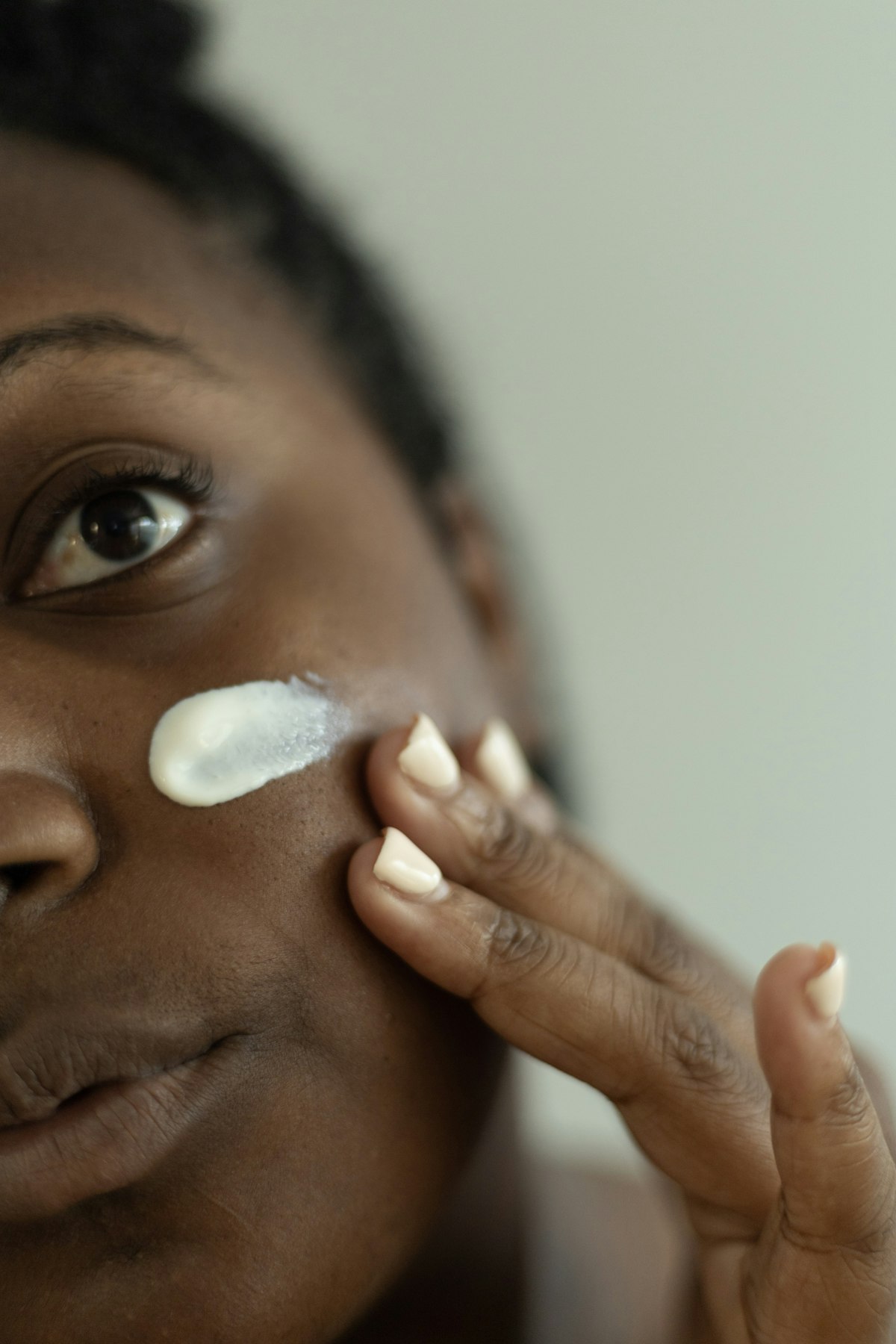
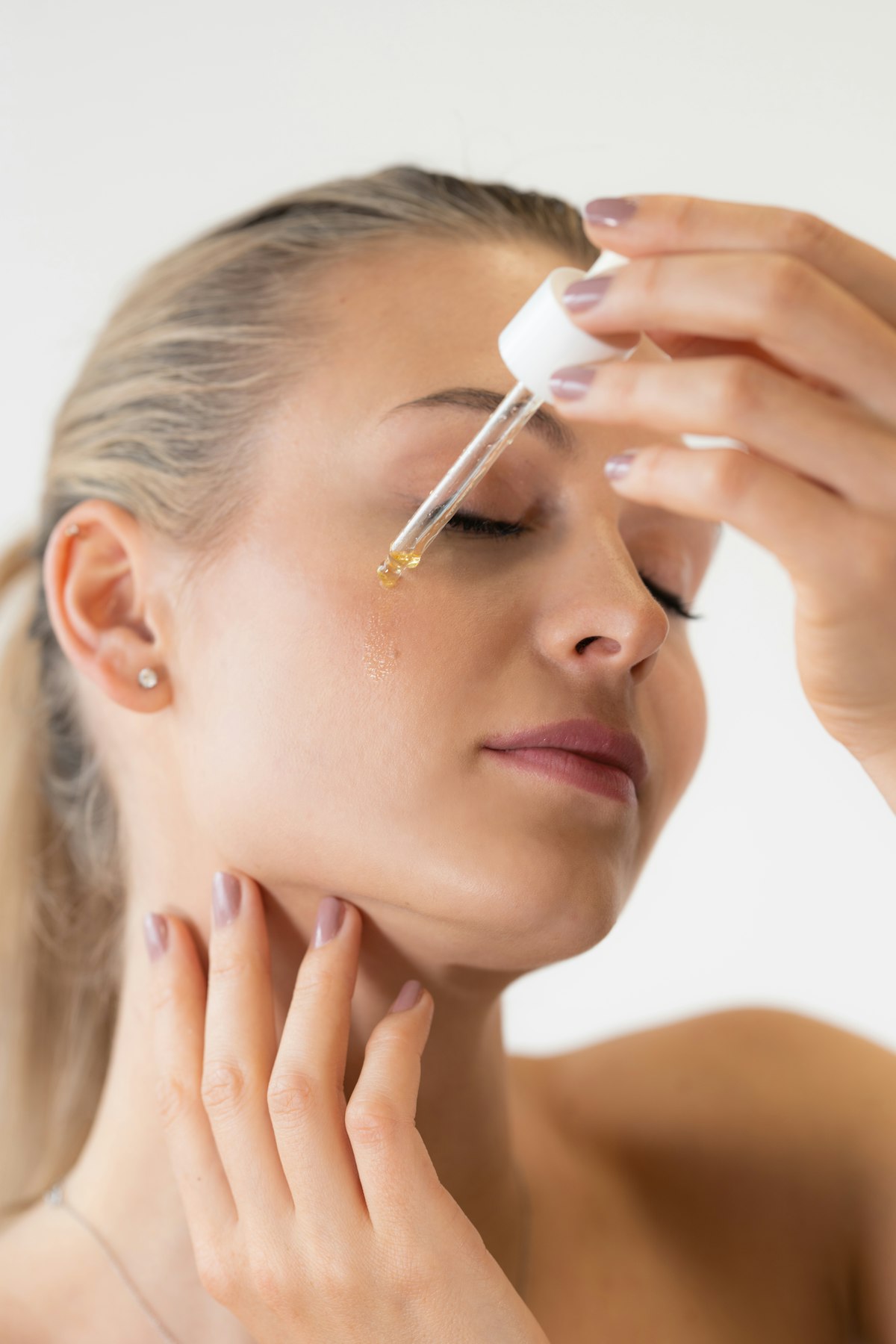
By 11 a.m. your forehead has a shine you could check your teeth in. By lunch, your foundation has separated around your nose. And the frustrating part? Your cheeks still feel tight after cleansing. Oily skin that's somehow also dehydrated is incredibly common — and it's why moisturizer feels like a lose-lose: skip it and skin overproduces oil; use a rich cream and you're blotting by noon.
The fix isn't skipping moisturizer. It's choosing the right texture. Oily skin needs water-based hydration in a gel or gel-cream format, ideally with oil-controlling ingredients — not heavy occlusive creams designed for dry skin. Here's how to tell the difference and three formulas that get it right.
The short version
If you're oily, reach for gel and gel-cream moisturizers built on humectants (glycerin, hyaluronic acid) rather than oils and butters. Bonus points for niacinamide, which helps skin look less shiny over time, and for mattifying formulas in the morning under makeup. Three to start with:
- Neutrogena Hydro Boost Water Gel
- La Roche-Posay Effaclar Mat
- CeraVe Ultra-Light Moisturizing Gel
What to look for
Texture is the headline. Gels and water gels are mostly water plus humectants — they hydrate by attracting water to the skin rather than sealing it in with grease. Gel-creams sit one step richer, good if you're combination rather than fully oily. Anything with shea butter, mineral oil, or heavy plant oils near the top of the list is likely to feel like too much by midday, whatever the marketing says.
Ingredients worth seeking out: niacinamide (helps the appearance of enlarged pores and, with consistent use, skin tends to look less oily through the day), hyaluronic acid and glycerin for weightless hydration, and silica or perlite in daytime formulas — these are the mattifying powders that absorb surface oil and keep makeup sitting better. Ceramides are still welcome; oily skin has a barrier too, especially if you use acne treatments or exfoliants.
Two label traps to avoid. "Oil-free" doesn't guarantee a light finish — some oil-free creams are still thick and waxy. And heavy fragrance in a leave-on moisturizer is a common, unnecessary irritant for reactive skin. When in doubt, flip the jar: the shorter and more boring the ingredient list, the safer the bet.
Hydro Boost Water Gel
- Hyaluronic acid gel formula
- Oil-free and non-comedogenic positioning
- Absorbs fast with a water-light finish
What we like
- Hydrates without any greasy residue
- Sits well under sunscreen and makeup
Good to know
- Contains fragrance in the standard version (a fragrance-free version also exists)
- May feel too light for oily skin in very dry winter weather
Effaclar Mat
- Sebulyse and perlite to absorb surface oil
- Designed as a moisturizer and makeup base in one
- Oil-free, matte finish
What we like
- Noticeably reduces midday shine on the T-zone
- Works like a primer under foundation
Good to know
- Small tube for the price
- Mattifying effect may feel too dry on combination cheeks
Ultra-Light Moisturizing Gel
- Ceramides and niacinamide in a gel base
- With hyaluronic acid for weightless hydration
- Fragrance-free and oil-free
What we like
- Barrier support without any cream heaviness
- Good night option after drying acne treatments
Good to know
- Finish is natural rather than fully matte
- Very oily skin may still prefer a pure gel in summer
How to moisturize oily skin (yes, technique matters)
Amount first: most people with oily skin use either far too much (compensating for tightness after a harsh cleanser) or a film so thin it does nothing. A pea-to-blueberry-sized amount for the whole face is the target. Apply to slightly damp skin after cleansing — humectants like hyaluronic acid perform better with water to grab onto.
Timing helps too. In the morning, give your moisturizer two or three minutes to set before sunscreen and makeup; rushing is a top cause of the midday foundation slide. At night you can go slightly richer than your morning product if your skin uses any drying actives (retinoids, benzoyl peroxide, salicylic acid) — oiliness doesn't exempt you from needing barrier support after treatments.
And check your cleanser before blaming your moisturizer. If your face squeaks after washing, the cleanser is stripping you, your skin rebounds with more oil by mid-morning, and no moisturizer fully fixes that cycle. A gentle, low-foam cleanser plus a light gel moisturizer is the combination that actually calms oily skin down.
If you're oily but also acne-prone or sensitive
This combination is more common than the beauty industry admits. The approach: keep the moisturizer fragrance-free and simple, and let your targeted treatment (a salicylic acid cleanser, an adapalene gel, whatever you use) do the active work separately. Layering three "anti-acne" products at once usually ends in irritation, not clarity. For makeup wearers, a mattifying moisturizer in the morning can double as your primer step on the T-zone — one less layer, one less chance of pilling. If shine breaks through by afternoon anyway, blotting papers beat powder touch-ups: they lift oil without adding product that cakes around the nose by 4 p.m.
FAQ
Do I really need moisturizer if my skin is oily?
Yes. Oil (sebum) and water (hydration) are different things, and oily skin is frequently short on water. Dehydrated oily skin often looks shinier, because the skin produces more oil to compensate. A light gel moisturizer adds water without grease — most people find their skin looks less oily within a couple of weeks, not more.
What's the difference between a gel and a gel-cream?
Gels are the lightest — mostly water and humectants, absorbing almost instantly with little residue. Gel-creams add a small amount of emollients, so they feel slightly more cushioning and suit combination skin or oily skin in winter. If your moisturizer leaves a film you can feel an hour later, you've gone too rich for your skin type.
Can moisturizer cause breakouts?
A formula that's too heavy for your skin can contribute to clogged pores, especially around the nose and chin. If you break out in new areas within a week or two of starting a rich cream, switch lighter before assuming moisturizer itself is the problem. Fragrance and heavy oils are the usual culprits, not hydration itself.
Should I moisturize before or after sunscreen in the morning?
Moisturizer first, then sunscreen as the final step before makeup. Give the moisturizer a couple of minutes to absorb so the sunscreen can form an even film on top.
The goal with oily skin isn't to dry it into submission — that strategy always backfires by noon. It's to hydrate with water-weight textures, control shine where it actually appears, and keep the barrier calm. Get the texture right and the 11 a.m. mirror check becomes a lot less dramatic.