Best Budget Vitamin C Serums for Brighter Skin
Dull skin doesn't need a luxury serum — it needs the right form of vitamin C at a strength your skin will actually tolerate. Three budget picks, compared by active type, percentage, and packaging.
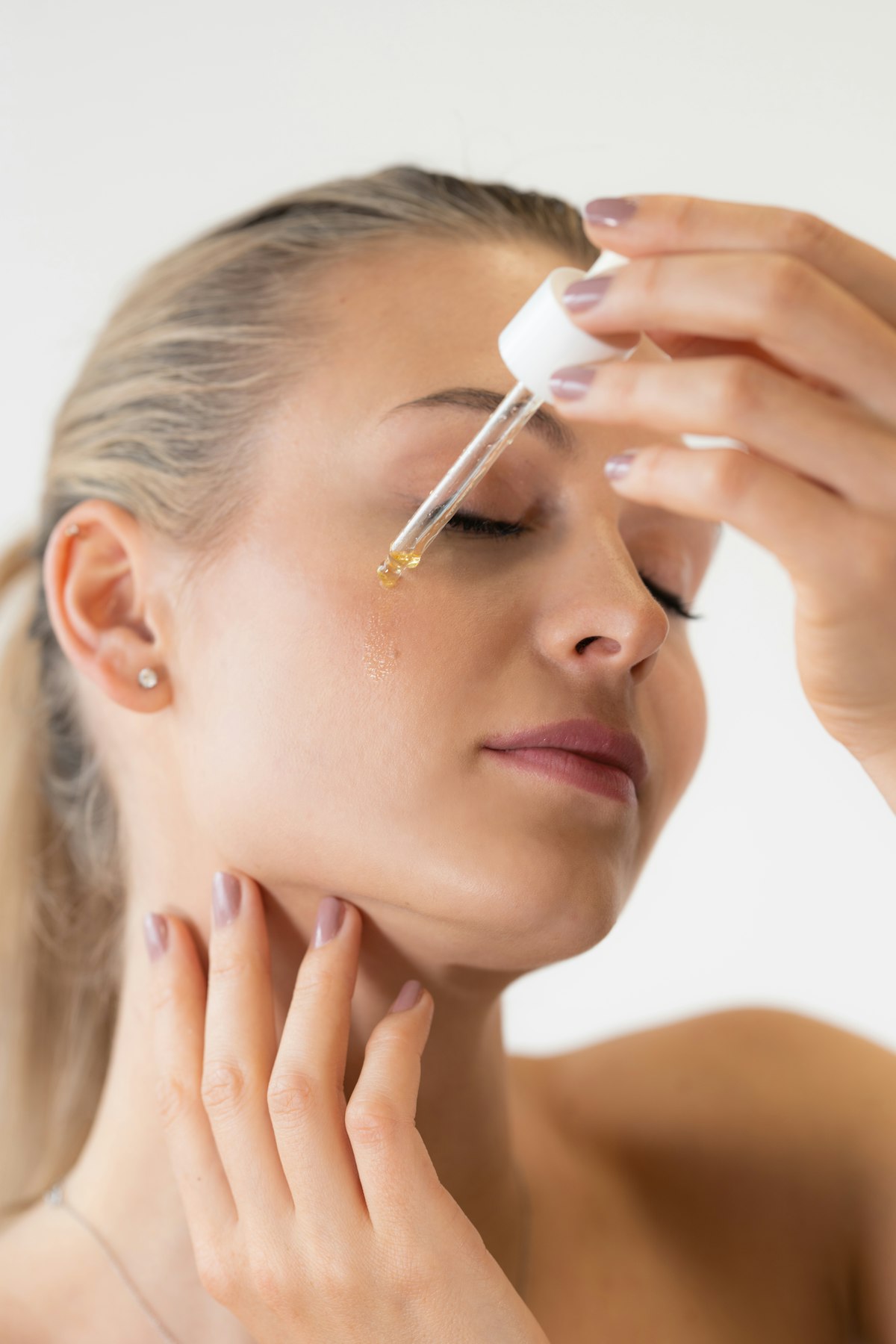
You know the moment. You've done your makeup, the light in the hallway looks fine, and then you catch your reflection in the office elevator — and somehow your skin looks tired even though you slept eight hours. It's not wrinkles, exactly. It's that flat, slightly dull look that makes everything seem a bit grey around the edges.
Dullness is one of the most common reasons people go looking for a vitamin C serum, and one of the most fixable. You don't need a luxury counter bottle to get there. The budget shelves are full of solid formulas — you just need to know which form of vitamin C is in the bottle and how strong it actually is.
The short version
If your skin looks dull and uneven, a budget vitamin C serum is one of the best first upgrades you can make. Look for a known active form on the label, a percentage that matches your skin's tolerance, and an opaque or dark bottle. Start with one of these three:
- TruSkin Vitamin C Serum
- Mad Hippie Vitamin C Serum
- The Ordinary Ascorbyl Glucoside Solution 12%
What to look for
Vitamin C on a label can mean several different ingredients, and they're not interchangeable. L-ascorbic acid is the pure, most-studied form — it's also the most temperamental: it works best at a low pH, can tingle or irritate sensitive skin, and oxidizes in the bottle (if your serum turns dark orange, it's past its best). Derivatives like sodium ascorbyl phosphate (SAP), magnesium ascorbyl phosphate (MAP), and ascorbyl glucoside are gentler and more stable. They convert to vitamin C in the skin, so the brightening effect tends to be slower and subtler, but far fewer people quit them because of stinging.
Percentage matters, but more isn't automatically better. With L-ascorbic acid, formulas around 10–15% are a sensible middle ground; much higher and irritation climbs faster than results. With the gentler derivatives, the percentage tells you less, so supporting ingredients matter more — look for vitamin E and ferulic acid alongside L-ascorbic acid (a classic stabilizing trio), or hydrating bases like hyaluronic acid if your skin runs dry.
Packaging is a real quality signal here. Air and light degrade vitamin C, so a dark glass bottle beats a clear jar every time. Also check where vitamin C sits in the ingredient list — if it's in the last few lines after the fragrance, the formula is mostly marketing.
Vitamin C Serum
- Vitamin C in the gentler SAP form
- With vitamin E and hyaluronic acid
- Aloe-based, fragrance-light formula
What we like
- Easy for beginners and sensitive skin to tolerate
- Widely available and frequently the first vitamin C people stick with
Good to know
- SAP is gentler but slower to show brightening than L-ascorbic acid
- Dropper bottle is clear-ish, so store it away from light
Vitamin C Serum
- Sodium ascorbyl phosphate (SAP) formula
- With konjac root, ferulic acid and chamomile
- Creamy serum texture that layers like a light lotion
What we like
- One of the gentlest vitamin C formats around
- Soothing supporting ingredients suit reactive skin
Good to know
- Subtler, slower brightening than pure ascorbic acid formulas
- Slightly higher price than other drugstore options
Ascorbyl Glucoside Solution 12%
- 12% ascorbyl glucoside, a stable water-soluble derivative
- Water-based, oil-free serum
- Short, transparent ingredient list
What we like
- Very stable in the bottle compared with L-ascorbic acid
- Comfortable for daily morning use under sunscreen
Good to know
- Brightening effect is gradual and modest
- Texture can feel slightly tacky if you over-apply
How to build it into your morning routine
Vitamin C is traditionally a morning ingredient because it pairs so well with sunscreen — antioxidants plus SPF is the classic daytime defense against the environmental stress that dulls skin. The order is simple: cleanse (or just rinse with water if your skin is dry), apply the serum to dry skin, give it a minute, then moisturizer, then sunscreen.
Start once a day. If you're using an L-ascorbic acid formula and your skin is new to actives, every other morning for the first two weeks is a smarter ramp-up than daily use from day one. A pea-to-two-pea amount is plenty for the face; add a drop for the neck, which shows dullness just as much.
Expect a timeline of weeks, not days. Brightness and a more even-looking tone typically build over 6–8 weeks of consistent use. Take a photo in the same light on day one — it's the easiest way to notice gradual change.
Mistakes that waste a good serum
The most common one: storing the bottle on a sunny bathroom windowsill, where heat and light quietly oxidize it. Keep it in a cabinet or drawer.
Mixing is the other trap. Vitamin C plays well with hyaluronic acid, vitamin E, and most moisturizers. Be more careful combining a strong L-ascorbic acid serum in the same routine with retinol or a strong exfoliating acid — stacking several potent actives at once is how people end up with a sensitized face and no idea which product caused it. Alternate nights if you want both.
Finally, don't chase the highest percentage on the shelf — a 10% formula you use every morning will outperform a 23% formula that sits in the drawer because it stings.
FAQ
How long does vitamin C serum take to show results?
Most people notice a fresher, brighter look within 4–8 weeks of regular use. Changes in the appearance of dark spots are slower, often 8–12 weeks.
Can I use vitamin C serum if I have sensitive skin?
Yes, but choose a derivative form such as sodium ascorbyl phosphate or ascorbyl glucoside rather than pure L-ascorbic acid, and start every other day. A brief tingle that fades is common with stronger formulas; burning or itching that lingers means stop and reassess.
Should vitamin C go on before or after moisturizer?
Before. Serums are thinner and contain the active you want closest to the skin. Apply to clean, dry skin, wait about a minute, then moisturizer and sunscreen.
How do I know if my serum has gone off?
With L-ascorbic acid formulas, color is the giveaway: fresh serum is clear to pale straw; dark yellow, orange, or brown means it has oxidized and lost potency. Derivatives are more stable, but any serum that smells sharply different or changes texture should be replaced. Most are best used within 3–6 months of opening.
A final word of encouragement: brightening dull skin is a marathon with very visible mile markers. Pick the formula your skin can happily use every morning, protect it with sunscreen, and give it two months. That unglamorous consistency — not the price tag — is what makes the difference you'll catch in the elevator mirror.