Best Sunscreens Under Makeup (No White Cast, No Pilling)
The two reasons people quit daily sunscreen — ghostly cast and foundation that rolls off — are both fixable. The finishes to look for, the application order that prevents pilling, and three formulas that behave under foundation.
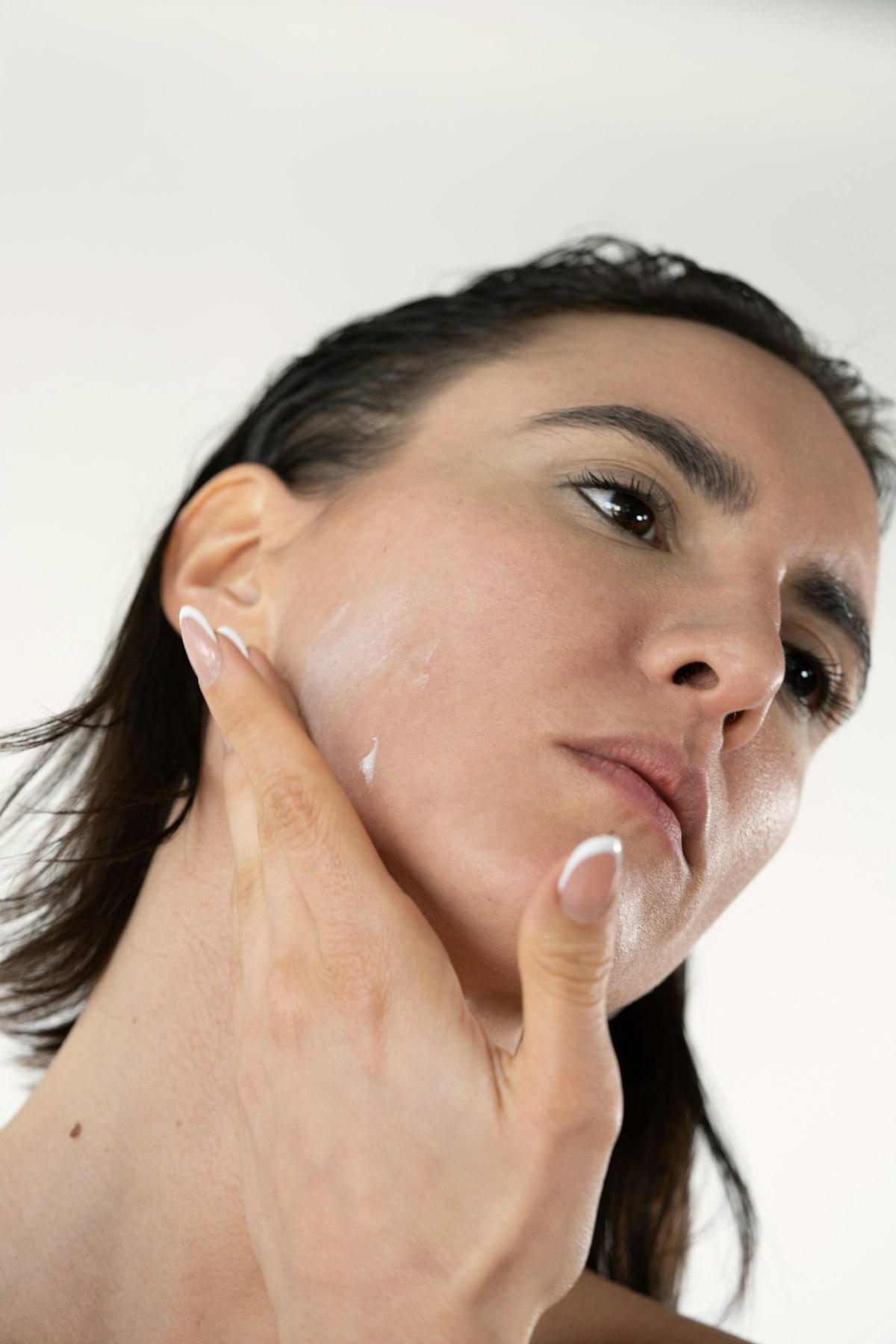
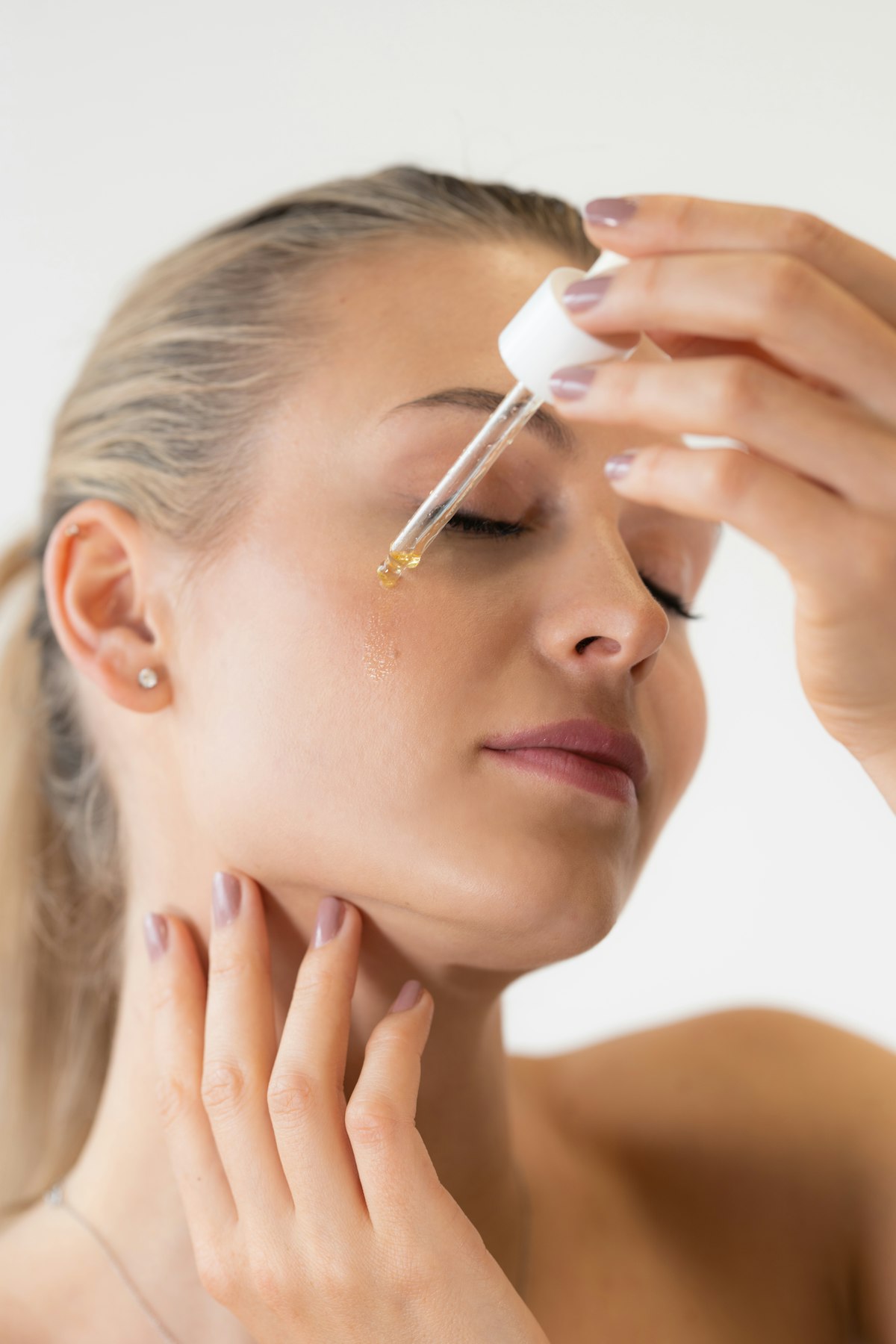
Every makeup wearer knows the two sunscreen failures. Failure one: the white cast — you look perfectly fine in your bathroom, then a photo reveals a ghostly face. Failure two: pilling — you apply foundation over your SPF and it rolls up into little grey crumbs, taking your whole base with it. Either one is enough to make a person quietly stop wearing sunscreen on workdays, which is exactly backwards.
The good news is that modern sunscreen formulas have largely solved both problems — if you pick the right finish for your skin type and give it a couple of minutes to set. These are the formulas and the technique that make daily SPF genuinely makeup-compatible.
The short version
For under makeup, you want a sunscreen that applies clear or nearly clear, dries down without a greasy film, and grips rather than slides. Gel and fluid textures beat thick creams; chemical (organic) filters avoid white cast entirely, while modern mineral formulas need tint or very fine particles to stay invisible. Three standouts:
- La Roche-Posay Anthelios UVMune 400 Invisible Fluid SPF 50+
- Supergoop! Unseen Sunscreen SPF 40
- Beauty of Joseon Relief Sun: Rice + Probiotics SPF 50+ PA++++
What to look for
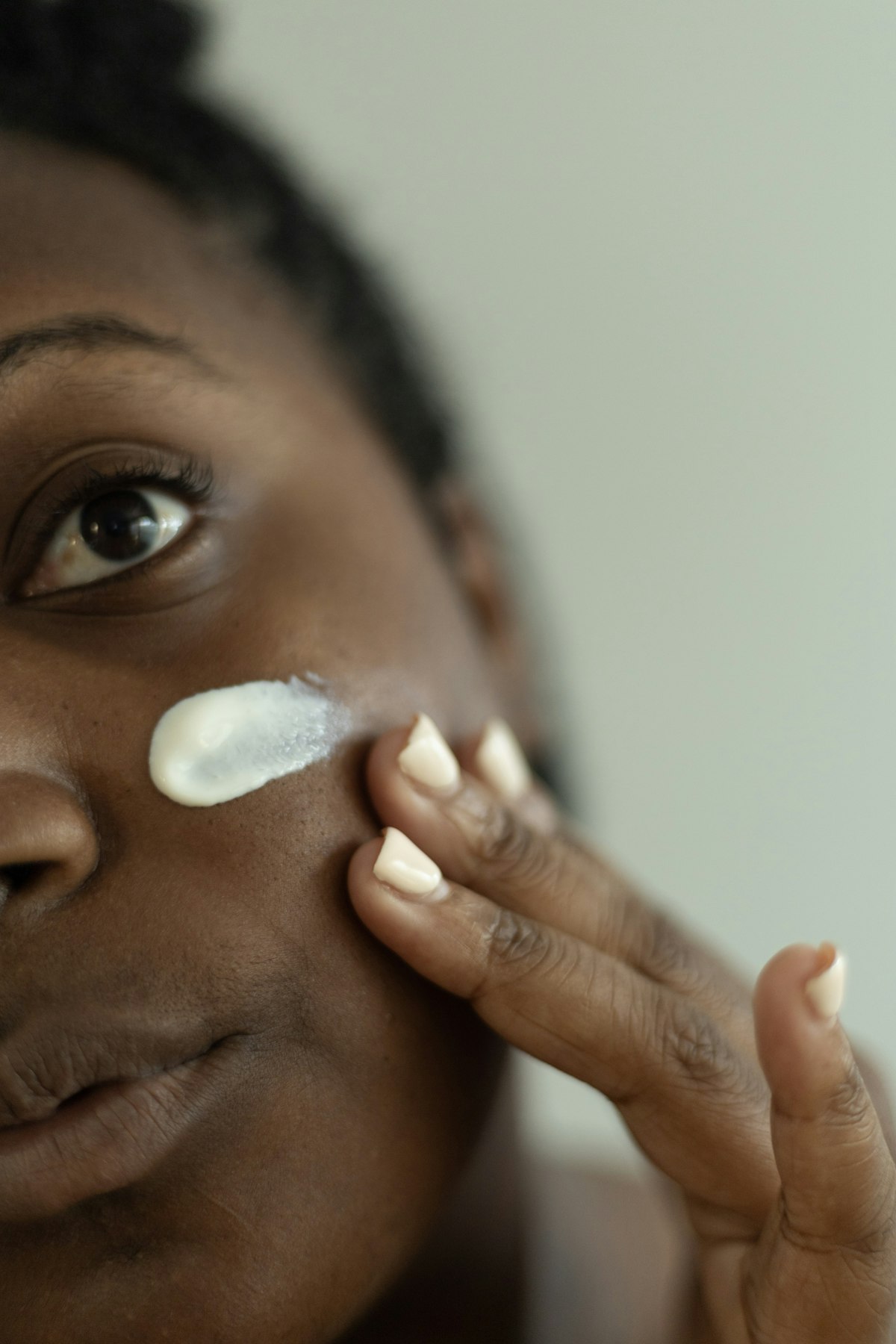
Understand the cast problem first. White cast comes from mineral filters — zinc oxide and titanium dioxide are literally white powders. Chemical/organic filters (the ones with names like avobenzone, octocrylene, or newer-generation filters such as Mexoryl) absorb into the top layer of skin and go on clear, which is why most "invisible" sunscreens are chemical or hybrid formulas. If you prefer mineral-only, look for a tinted version, especially if your skin tone is medium or deeper — untinted mineral SPF on deeper skin is where cast is most unforgiving.
Finish is the second decision. A sunscreen that stays shiny will break up foundation; one with a soft, slightly gripping finish acts almost like a primer. Look for words like "fluid," "gel," "dry touch," or "invisible finish" — silicone-smooth formulas are famously good under makeup.
Don't ignore the protection numbers while chasing cosmetics. You want broad spectrum with at least SPF 30; SPF 50 is a sensible default for the face. And the elegant texture only helps if you apply enough: the standard measure for face and neck is roughly two finger-lengths of product. An "invisible" sunscreen at half dose delivers a fraction of its labeled protection.
Anthelios UVMune 400 Invisible Fluid SPF 50+
- UVMune 400 filter system including Mexoryl 400
- Ultra-light fluid with a natural, non-greasy finish
- Water and sweat resistant
What we like
- Very high UVA protection in a genuinely wearable texture
- No white cast on most skin tones once settled
Good to know
- Contains alcohol, which some dry or sensitive skin dislikes
- Can pill if foundation goes on before it sets — give it a few minutes
Unseen Sunscreen SPF 40
- Completely clear gel — zero cast on any skin tone
- Silicone-smooth, slightly blurring finish
- With red algae and meadowfoam seed oil
What we like
- Grips makeup like a primer because it nearly is one
- The safest bet for deep skin tones worried about cast
Good to know
- SPF 40 is lower than the SPF 50 options
- The silicone feel isn't for those who prefer a lotion texture
Relief Sun: Rice + Probiotics SPF 50+ PA++++
- Rice extract and fermented ingredients in a cream texture
- SPF 50+ PA++++ (Korean labeling)
- Doubles as a moisturizer for normal to dry skin
What we like
- Layers like skincare and leaves a healthy glow, not grease
- No white cast and no strong sunscreen smell
Good to know
- Dewy finish may be too shiny for oily skin by midday
- Not water resistant — not the pick for sport or beach days
Application technique that prevents pilling
Pilling is usually a layering problem, not a bad product. The rules that fix it: apply sunscreen as the last step of skincare, on skin that isn't still wet with serum, and let each layer settle for a minute or two. That pause before foundation is the single highest-impact habit: give sunscreen a full 3–5 minutes to form its film before makeup touches it.
Press and pat foundation on rather than rubbing in circles; friction is what rolls a fresh SPF film into crumbs. If pilling persists, check for a texture clash — a water-based sunscreen under a heavy silicone primer (or the reverse) is the classic mismatch, and dropping one layer usually resolves it.
Reapplication over makeup (the honest answer)
Reapplication every two hours of sun exposure is the official guidance, and it's genuinely awkward over a full face of makeup. The realistic toolkit: a sunscreen mist for a light top-up (better than nothing, though coverage is uneven), a cushion or powder SPF for the T-zone, and — best of all — shade and a hat during peak midday hours. On an office day a solid morning application carries most of the weight; on a beach day, plan to redo your base. And treat SPF in foundation as a bonus, never the plan — nobody applies foundation at the two-finger dose.
If you're choosing between the three picks above: the La Roche-Posay fluid is the high-protection workhorse with a natural finish; Supergoop's Unseen is the primer-like one, completely clear and slightly blurring; the Beauty of Joseon is the hydrating, dewy option dry and normal skin types tend to love.
FAQ
Why does my sunscreen pill under foundation?
Usually because the sunscreen film hasn't set (give it 3–5 minutes), because layers underneath were still wet, or because of a base mismatch — water-based and silicone-heavy products can ball up together. Rubbing foundation on with fingers or a brush adds friction. Pat with a sponge, thin your skincare layers, and let the SPF dry down first.
Are chemical sunscreens better under makeup than mineral ones?
For invisibility, usually yes — chemical (organic) filters go on clear on every skin tone and tend to have more elegant, primer-friendly textures. Mineral sunscreens can work under makeup if the formula is finely milled or tinted, but untinted mineral SPF is the most likely to leave a cast, particularly on medium and deep skin tones.
How much sunscreen should I actually apply to my face?
About two finger-lengths (index and middle finger) for face and neck — more than most people instinctively use. Under-applying is the main reason real-world protection falls short of the SPF on the label.
Can I skip moisturizer and just use sunscreen in the morning?
Often, yes — many modern sunscreens (especially hydrating fluids) carry enough moisturizing ingredients to serve as both steps for normal, combination, and oily skin. Dry skin may still want a moisturizer underneath. Skipping a layer also reduces pilling risk, so if your makeup misbehaves, this is a good first experiment. Daily sunscreen only works if it's on your face on actual weekdays, under actual makeup. So optimize for the formula you'll reach for without thinking — invisible, comfortable, and boring in the best way — and let the technique above handle the rest.