Best Heat Protectants to Use Before Every Blowout and Curl
Salons never put a hot tool on unprotected hair. The protectant picks for every tool, honest temperature settings by hair type, and the sizzle rule you need to know.
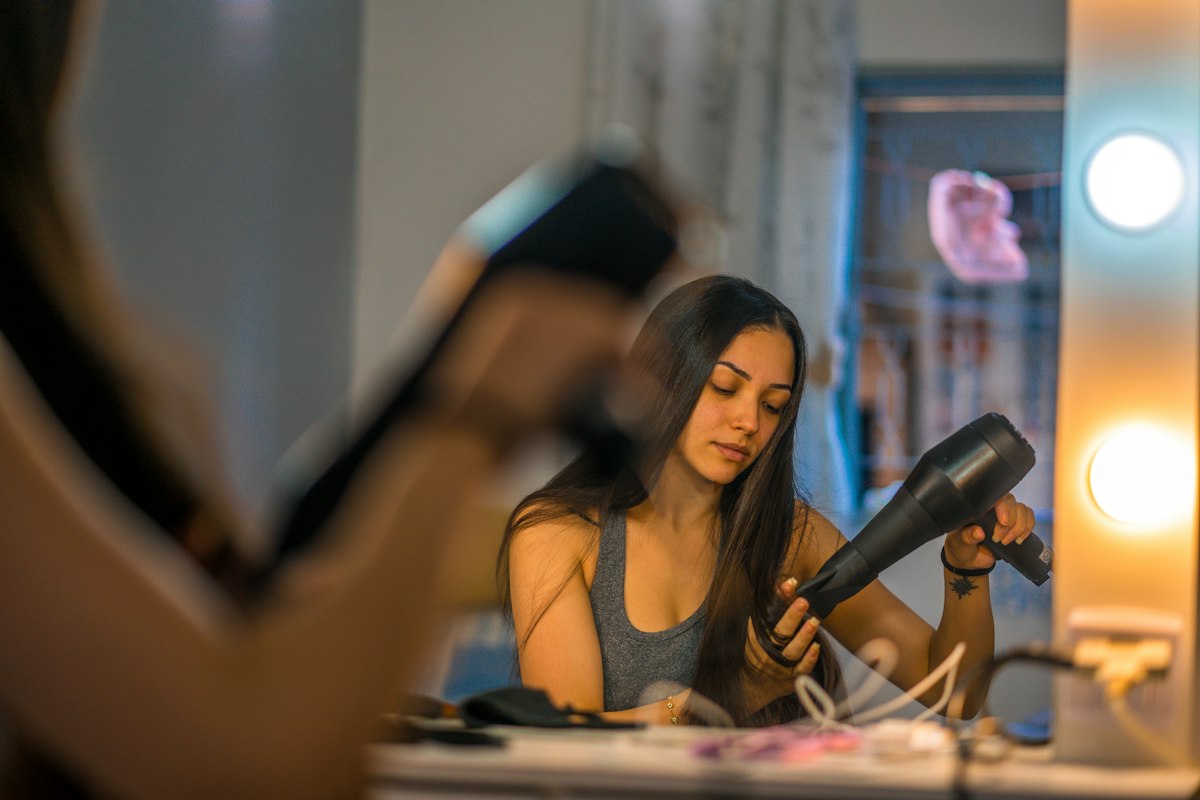
The salon math is brutal: one professional blowout costs about what a decent flat iron does, and the results last roughly 48 hours if your pillowcase cooperates. So you bought the tools, watched the tutorials — and three months later your ends feel like straw and there's a suspicious smell of toast every time you straighten. Sound familiar?
Here's what the salon does that most of us skip at home: they never, ever put a hot tool on unprotected hair. Heat protectant isn't a marketing upsell; it's the difference between hair that tolerates regular styling and hair that slowly cooks. Every degree above roughly 350°F starts changing hair's internal structure, and unprotected hair shows it fast — dryness, breakage, color that fades in weeks instead of months.
The short version
Heat protectant should be as automatic as putting on the oven mitt — every single time a dryer, iron, or wand comes out. The best choice depends on your tool and your hair type:
- TRESemmé Thermal Creations Heat Tamer Spray — the budget-friendly everyday shield for blow-drying and flat-ironing
- CHI 44 Iron Guard Thermal Protection Spray — a firmer, salon-style spray made specifically for irons and high-heat work
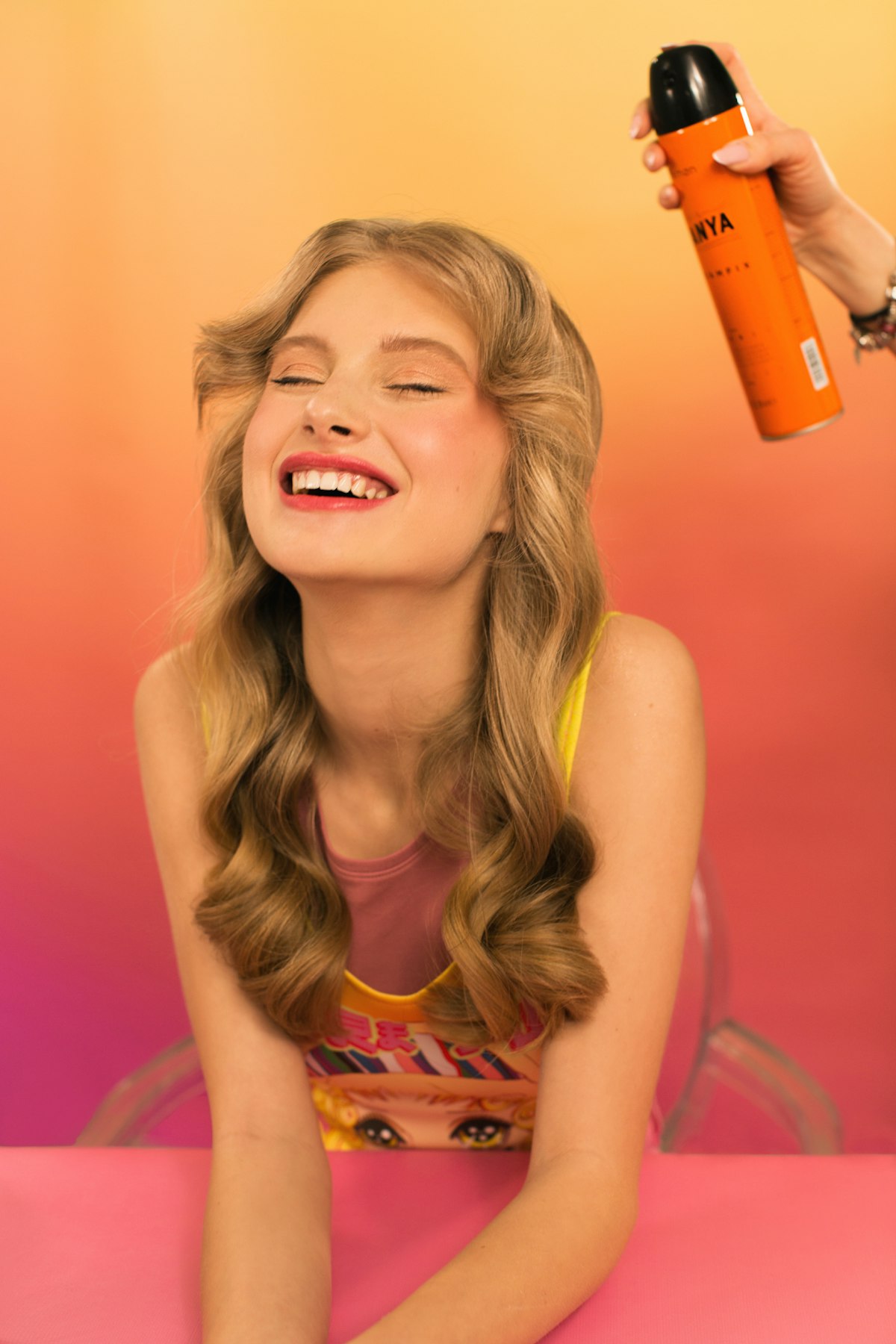
- L'Oréal Paris Sleek It Iron Straight Heatspray — a smoothing heat spray for sleek, straight styles that need to last days
What to look for
Check the temperature rating — and its honesty. Good protectants state the heat level they're formulated for, often up to 450°F. Treat that as a ceiling, not a target: your iron doesn't need to be at maximum for your hair to get straight, and thinner or bleached hair should live closer to 300–350°F regardless of what the bottle allows.
Know your protection ingredients. Most sprays build their shield from silicones (dimethicone, cyclopentasiloxane) and film-forming polymers that coat the strand and distribute heat more evenly. Some add hydrolyzed proteins or panthenol for moisture support. Ingredients alone don't tell the whole story — even distribution matters as much as formula — but a "heat protectant" whose ingredient list is mostly water and fragrance is more perfume than protection.
Match format to tool. Fine sprays suit flat irons and wands because they dry fast and won't re-wet a finished section. Creams and lotions distribute better through thick or curly hair before a blowout. Oils marketed for heat can work before blow-drying but are risky before a flat iron — oil plus a 400°F plate can effectively pan-fry the strand. When in doubt: spray for irons, cream for blowouts.
Thermal Creations Heat Tamer Spray
- Formulated to guard against heat up to 450°F
- Lightweight spray that distributes through damp or dry hair
- Part of the Thermal Creations styling system
What we like
- Inexpensive and available everywhere
- Doesn't leave hair stiff or sticky before styling
Good to know
- Fine mist can under-cover very thick hair without sectioning
- Basic formula — fewer conditioning extras than premium sprays
44 Iron Guard Thermal Protection Spray
- Salon-developed formula for thermal styling up to 450°F
- Ceramic and protein components aimed at strength and shine
- Firm, fast-drying spray suited to iron work
What we like
- Built specifically for irons rather than adapted from a blowout spray
- Leaves a polished, salon-style finish
Good to know
- Can feel slightly stiff if over-applied
- Signature scent is strong and polarizing
Advanced Hairstyle Sleek It Iron Straight Heatspray
- Heat protection up to 450°F with a smoothing focus
- Formulated to keep straight styles sleek for up to three days
- Anti-humidity component for lasting results
What we like
- Combines protection with style longevity in one step
- Particularly effective before flat-ironing wavy hair straight
Good to know
- Smoothing formula may feel heavy on very fine hair
- Best results require application on damp hair before blow-drying
The application routine nobody teaches you
Protection fails from bad coverage, not bad products. Apply protectant to damp hair before blow-drying — section by section, not one heroic spritz over the whole head. Hair should feel lightly coated everywhere; if you can't feel product when you run fingers through a section, that section isn't protected.
Then, the step almost everyone skips: hair must be 100% dry before a flat iron or curling wand touches it. If you hear sizzling, that's water inside the strand flash-boiling — one of the fastest ways to cause the bubble-like internal damage stylists call "bubble hair." Blow-dry or air-dry fully, then, if your style needs it, add a light second mist of spray, let it dry down for a minute, and only then iron.
Heat settings by hair type
Your iron's dial deserves as much thought as your products. Fine or fragile hair: 250–300°F. Normal, untreated hair: 300–375°F. Thick, coarse, or very curly hair being straightened: up to 400°F, with protectant, in fewer, slower passes rather than many fast ones.
Bleached, highlighted, or previously damaged hair should be treated as fragile regardless of how thick it is — chemical damage lowers hair's heat tolerance dramatically. And pass count matters more than you think: three slow passes at 350°F do less harm than six frantic ones at 300°F, because dragging a hot plate over the same section again and again is cumulative exposure.
FAQ
Can I use heat protectant on dry hair?
Yes — many sprays are designed for exactly that, such as a light mist before touching up with an iron. Just let the spray fully dry before the tool touches your hair. Cream protectants, on the other hand, are made for damp hair and can leave dry hair feeling coated.
Does heat protectant actually work, or is it marketing?
It works, with limits. Film-forming ingredients measurably reduce heat transfer to the hair's cortex and cut down on moisture loss and surface damage during styling. It does not make hair invincible — high heat, repeated passes, and daily styling will still accumulate damage. Think seatbelt, not force field.
Do I need separate protectants for blow-drying and flat-ironing?
Not necessarily. A versatile spray covers both for most people. Specialize only if your routine demands it: a cream gives thick hair better distribution before blowouts, and a firm, fast-drying spray suits detailed iron work better. One good product used every time beats three used occasionally.
How often should I reapply between styling days?
If you heat-style freshly washed hair, the initial application is the main event. For day-two touch-ups, a light re-mist on the sections you're re-ironing is smart, since brushing, sleeping, and humidity wear the protective film down. You don't need to saturate your whole head again.
Salon hair at home isn't about owning salon tools — it's about copying salon discipline. Protectant on, hair fully dry, heat set for your hair type instead of the tool's maximum. Do those three things every time and your ends will stop telling the story of every blowout you've ever had.