Leave-In Conditioners Compared: Sprays, Creams and Who Needs Which
Sprays, creams and milks are not the same product. A field guide to matching leave-in format to your hair's density, porosity and styling routine.
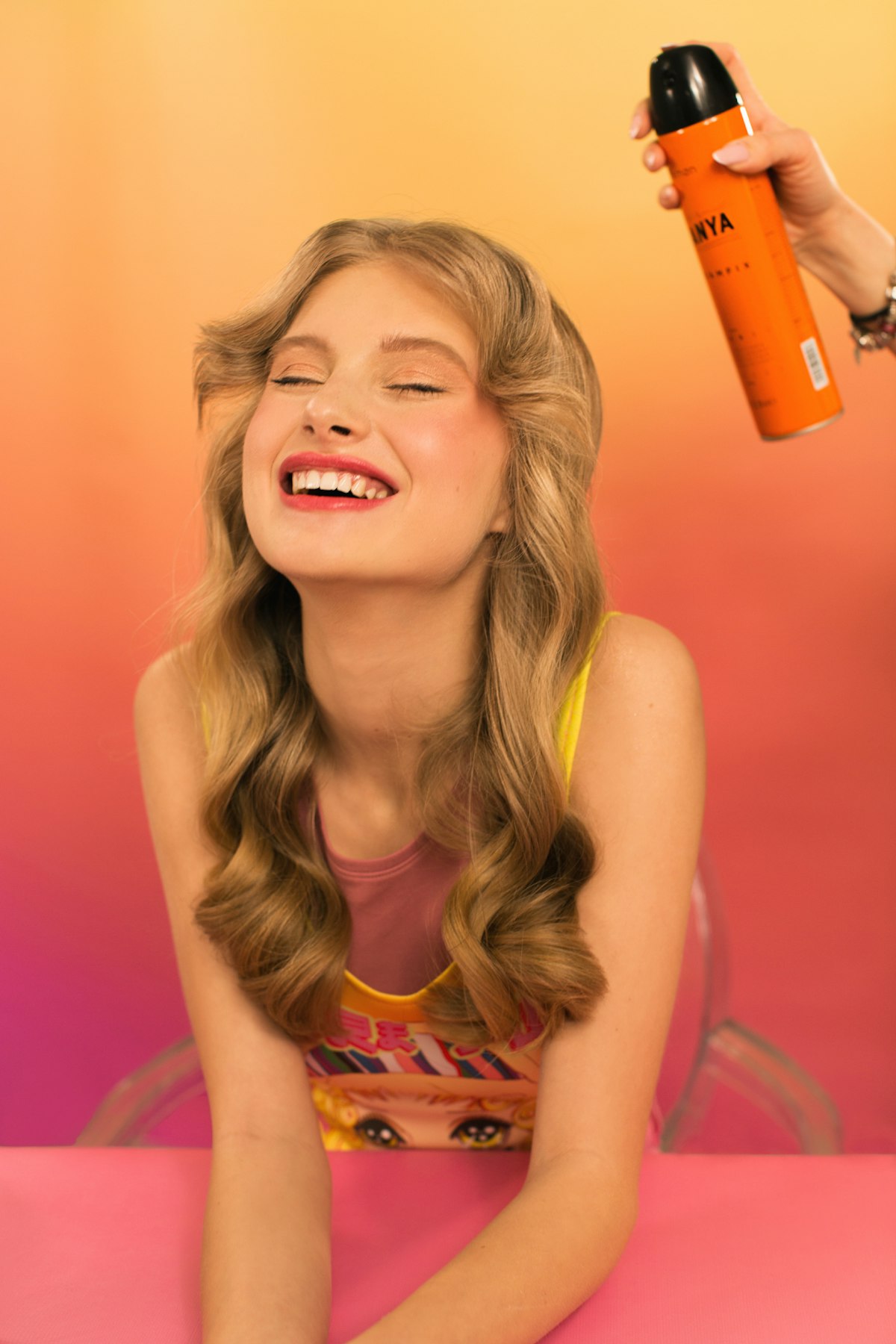
It's 7:40 on a Tuesday, you're already late, and your hair looks like you slept in a wind tunnel. You don't have time to rewash, re-style, and start over — you have time for exactly one product and four minutes with a hair dryer. This is the moment leave-in conditioner earns its shelf space.
Here's the part nobody explains at the drugstore: "leave-in conditioner" is not one product. Sprays, creams, and milks do genuinely different jobs, and buying the wrong format for your hair type is why so many bottles end up abandoned under the sink. Once you know which camp your hair belongs in, the choice gets very simple.
The short version
Leave-ins aren't interchangeable — format is destiny. Sprays detangle and lightly condition fine or wavy hair, creams feed and define thicker, drier textures, and milks sit in between. Start with the one that matches your hair:
- It's a 10 Miracle Leave-In Product — the classic multitasking spray for detangling, shine, and heat prep on most hair types
- Mielle Pomegranate & Honey Leave-In Conditioner — a rich cream for thick, curly, and coily hair that drinks up moisture
- Kristin Ess Weightless Shine Leave-In Conditioner — a feather-light spray for fine hair that gets greasy-looking fast
What to look for
Be honest about your hair's density, not just its type. Fine hair — even a lot of it — collapses under buttery creams. Thick, coarse, or high-porosity hair laughs at watery sprays and needs the lipids in a cream. Porosity is the real test: hair that soaks up water instantly and dries rough (high porosity) wants richer leave-ins; hair that repels water and stays shiny (low porosity) wants lightweight, water-based ones.
Match the format to the job. Sprays are mostly water and detangling agents (look for behentrimonium chloride or cetrimonium chloride high on the list) — perfect on damp hair before combing, and for refreshing. Creams carry oils and butters, so they're styling products as much as conditioners. Milks and lotions split the difference and suit wavy to loosely curly hair.
Check what else it does — and doesn't. Many leave-ins include heat protection, UV filters, or protein. Protein-containing leave-ins (hydrolyzed keratin, wheat or silk protein) help damaged hair but can make protein-sensitive hair feel stiff if layered daily. And a leave-in never replaces rinse-out conditioner; it extends it.
Miracle Leave-In Product
- Spray format with panthenol and sunflower seed extract
- Detangles, smooths frizz and adds shine in one step
- Provides thermal protection for heat styling
What we like
- Genuinely multitasking — replaces several steps on busy mornings
- A little goes far, so the bottle lasts
Good to know
- Can feel heavy if over-sprayed on very fine hair
- Contains fragrance that some sensitive scalps may not love
Pomegranate & Honey Leave-In Conditioner
- Cream formula with pomegranate extract, honey and babassu oil
- Designed to detangle, define and moisturize dense textures
- Pairs with the Pomegranate & Honey styling line
What we like
- Rich enough to double as a light styling base for twist-outs
- Keeps thirsty curls moisturized for multiple days
Good to know
- Too heavy for fine, wavy or low-porosity hair
- Sweet scent is noticeable and lingers
Weightless Shine Leave-In Conditioner
- Feather-light spray with shine-enhancing formula
- Zip-Up technology aimed at smoothing split ends and frizz
- Sulfate-free and safe for color-treated hair
What we like
- Truly weightless finish — roots stay fresh longer
- Adds noticeable shine without an oily cast
Good to know
- Not moisturizing enough for thick or very dry hair
- Fine mist means thick hair may need many sprays per section
The routine that makes any leave-in work better
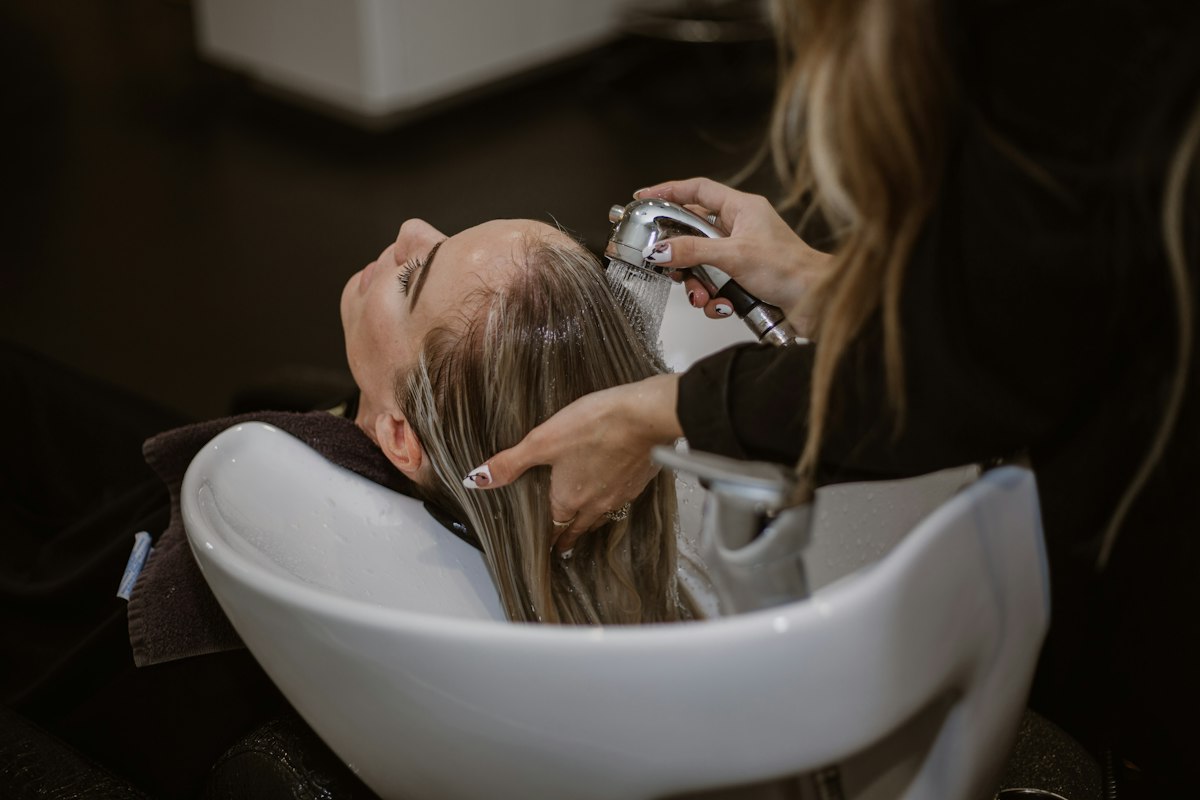
Apply leave-in to damp, not dripping or nearly-dry, hair. The sweet spot is right after you've gently squeezed out excess water — hair should feel uniformly wet but not be dripping onto your shoulders. Work in sections if your hair is thick: two sections for fine hair, four or more for dense curls, raking or spraying product through each before moving on.
Order matters too. Leave-in goes on first, closest to the hair, then your styling products over it. Putting gel or mousse on first and leave-in second is like moisturizing over your coat — technically product was applied, functionally nothing happened. Comb through with a wide-tooth comb or your fingers to distribute, then style and don't touch it while it dries.
When to use which: a field guide
Reach for the spray on wash day if your hair tangles easily, on second-day hair to reactivate yesterday's style with a light mist, and before heat styling when you want slip without residue. Sprays are also the safest choice if your roots get oily by noon.
Reach for the cream when your hair is thick, curly, coily, bleached, or chronically dry — especially on the ends, which are the oldest and thirstiest part. Creams double as a light styling base for twist-outs, braid-outs, and wash-and-gos.
Reach for the milk if you're wavy, in-between, or new to leave-ins entirely. It's the forgiving middle: enough moisture to matter, rarely enough weight to regret.
FAQ
Can I use leave-in conditioner every day?
Yes, if the formula suits your hair — light sprays can be used daily for refreshing and detangling. Rich creams are better saved for wash days and mid-week moisture boosts; daily use can build up and dull the hair, in which case a clarifying wash resets everything.
Should leave-in go on wet or dry hair?
Damp hair is ideal: water helps the product spread evenly and the hair absorbs conditioning ingredients more evenly. On dry hair, leave-ins mostly sit on the surface — fine for a quick frizz smooth-down, but not the same result. A spray misted over dry second-day hair is the exception that works.
Does leave-in conditioner replace regular conditioner?
No. Rinse-out conditioner does the heavy detangling and smoothing work in the shower. Leave-in is the maintenance layer afterward — it keeps moisture in, adds slip and protection during styling, and helps styles last longer between washes.
How much should I actually use?
Less than you think. Start with a dime-to-quarter-sized amount of cream (or 4–6 sprays of a mist) focused on mid-lengths and ends, then add more only if your hair still feels rough. Fine hair should keep leave-in away from the roots entirely.
The real secret is that you probably don't need three leave-ins — you need the right one, used consistently, in the moments your hair actually asks for it. Pick your format, learn its dose, and that 7:40 Tuesday stops being an emergency.