Best Hair Oils for Frizzy Hair That Won't Weigh It Down
Frizz is thirsty hair drinking humidity. Three oils by weight class — featherweight to rich — plus the application technique that avoids the grease trap.
You did everything right. You washed, conditioned, styled, diffused. Then you walked two blocks in July humidity to meet friends for photos, and by the time you check the first picture, your sleek blowout has expanded into something with its own weather system. Frizz isn't a hair failure — it's your hair drinking moisture from the air because it's thirsty underneath.
Hair oil is the classic fix, and also the classic overcorrection: one drop too many and fine hair looks like it hasn't been washed since spring. The trick is matching the oil's weight to your hair and knowing that application — amount, timing, placement — matters more than the brand on the bottle.
The short version
The best hair oil for frizz is the one matched to your hair's thickness: a featherweight dry oil for fine hair, a richer argan blend for medium to thick hair, and a targeted strengthening oil for scalps and fragile ends. These three cover the spectrum:
- Verb Ghost Oil — a genuinely weightless finishing oil for fine to medium hair prone to frizz
- OGX Renewing + Argan Oil of Morocco Penetrating Oil — a richer, affordable option for medium to thick hair that needs sealing and shine
- Mielle Rosemary Mint Scalp & Hair Strengthening Oil — a treatment-style oil for scalp care and fragile, breakage-prone hair
What to look for
"Oil" on the label doesn't mean the bottle is mostly oil. Many beloved hair oils are actually silicone-based serums with oil in a supporting role — and that's fine. Silicones like dimethicone and cyclopentasiloxane coat the hair shaft, block humidity, and create that glassy finish. True plant oils (argan, jojoba, marula) penetrate more and nourish, but seal less aggressively. Know which you're buying: if the first ingredients end in "-cone" or "-xane," it's a sealing serum; if they read like a salad, it's a treatment oil.
Weight is everything. Fine hair needs "dry" oils — fast-absorbing formulas built on light esters and volatile silicones that vanish instead of sitting on the surface. Thick, coarse, or curly hair can handle (and needs) heavier oils that would drown fine strands. If a product describes itself as "penetrating" or "intensive," it's aimed at thicker textures.
Placement beats quantity. Frizz lives on the surface and the ends; oil belongs there too — mid-lengths down, almost never at the roots unless it's a deliberate pre-wash scalp treatment. Decide your job before you pour: pre-wash treatment, wet-hair sealant over leave-in, or dry-hair finisher. Each wants a different formula and a different dose.
Ghost Oil
- Weightless formula with moringa seed oil
- Absorbs quickly to smooth frizz and add shine
- Helps protect against humidity-driven puffiness
What we like
- One of the few oils fine hair can use daily without buildup
- Works as both a damp-hair sealant and dry finisher
Good to know
- Too light to satisfy very thick or coarse hair
- Small bottle size for the category
Renewing + Argan Oil of Morocco Penetrating Oil
- Argan oil-based formula for dry, coarse textures
- Silicone blend smooths the cuticle and blocks humidity
- A few drops spread across a full head of thick hair
What we like
- Excellent frizz control for thicker hair at a drugstore price
- Leaves hair noticeably softer and glossier
Good to know
- Easily too heavy for fine hair — start with half a drop
- Scent is strong and sweet, which divides opinion
Rosemary Mint Scalp & Hair Strengthening Oil
- Blend of rosemary and mint essential oils with biotin
- Over 30 essential oils and nutrients in the formula
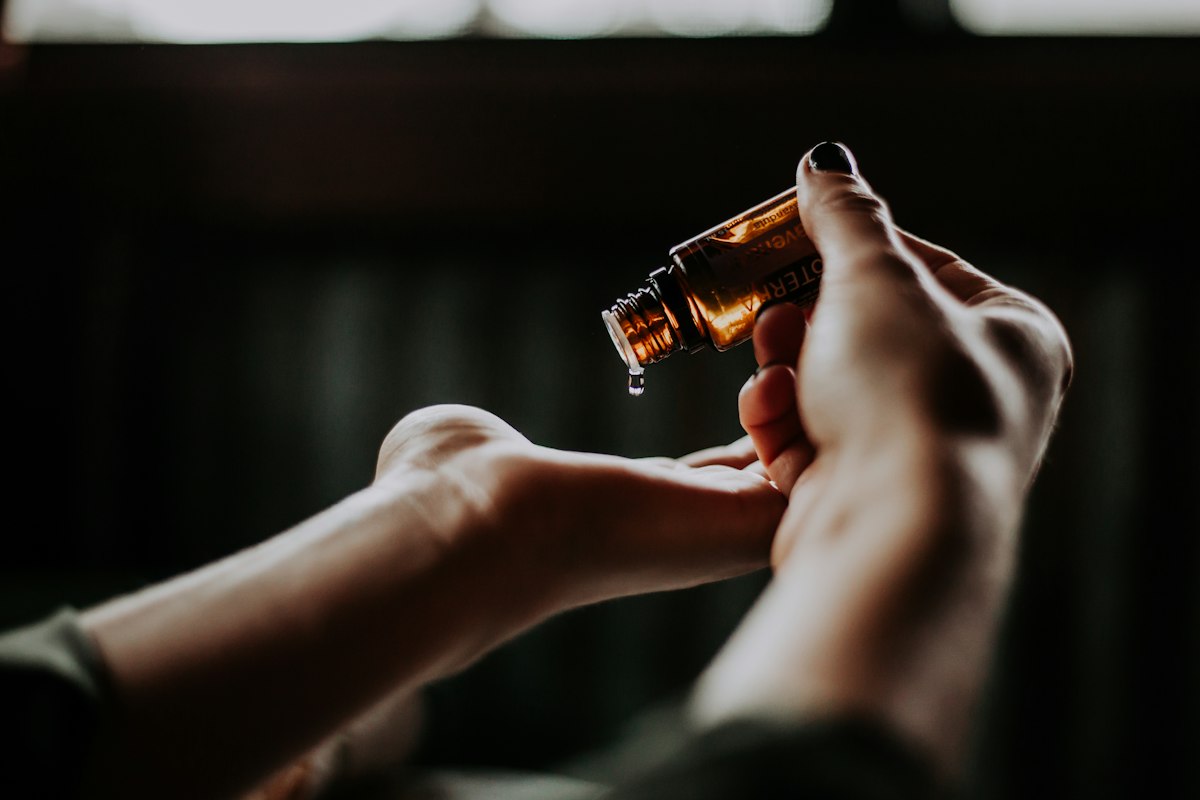
- Dropper applicator for direct scalp application
What we like
- Purpose-built for scalp massage and pre-wash treatments
- Dropper makes targeted application easy and mess-free
Good to know
- Intended as a treatment, not a fine finishing oil — can feel heavy left in
- Strong herbal scent; essential oils may irritate very sensitive scalps
How to apply hair oil without the grease trap
Start smaller than the bottle suggests: one or two drops for fine hair, a pea-to-dime puddle for thick hair. Rub it between your palms until they look almost dry — if your hands are visibly glistening, you have too much. Then glide your palms over the surface of dry hair or rake through damp ends, saving whatever remains for the front pieces that frame your face.
Timing changes the result. Oil on soaking-wet hair (after leave-in) seals moisture in and fights frizz from the inside of the style. Oil on fully dry hair smooths the surface and adds shine, but too much reads greasy within the hour. On humid days, the winning combo is usually both, in miniature: a little on damp hair to seal, a whisper on dry hair to finish.
The humidity survival routine
When the forecast is working against you, layer deliberately. Wash and condition as usual, apply leave-in to damp hair, then your styling product, then a thin layer of oil last to lock the perimeter. Let hair dry completely — completely — before touching it; breaking up curls or brushing a blowout while it's 90% dry invites the frizz you're trying to prevent.
At night, protect the finish: a loose pineapple bun or a silk/satin pillowcase keeps the surface smooth so your oil layer survives to day two. In the morning, revive with palms barely coated in oil, pressed over flyaway zones rather than raked through.
FAQ
Will hair oil make my fine hair greasy?
Only if the formula is too heavy or the dose is too big. Weightless dry oils exist precisely for fine hair: one drop, warmed in the palms and applied to ends only, should disappear within minutes. If your hair still looks stringy an hour later, the oil is too rich for you — switch down a weight class.
Should I put hair oil on wet or dry hair?
Both work, for different jobs. On damp hair after leave-in, oil seals in moisture and helps prevent frizz as hair dries. On dry hair, it smooths flyaways and adds shine as a finisher. In high humidity, using a small amount at both stages gives the most durable result.
Does hair oil actually repair damage?
No oil can permanently repair broken bonds or split ends — only a trim fixes those. What oils do is reduce friction, add lubrication so hair breaks less going forward, improve shine, and temporarily smooth the cuticle so damage looks and feels less severe. Think protection and cosmetics, not resurrection.
How is hair oil different from a silicone serum?
Often it isn't — many products sold as oils are silicone-based. Silicone serums are actually better pure frizz-blockers because they form a humidity-resistant film. Pure plant oils penetrate better and suit treatment use. Read the first ingredients to know which you're getting; neither is superior, they just do different work.
Frizz is not the enemy of good hair — unmanaged moisture exchange is. Choose an oil your strands can actually carry, respect the dose, and that two-block walk to the photo spot stops being a gamble.