Best Dry Shampoos for Second-Day Hair (No White Residue)
White cast is a formula-and-technique problem, not a destiny. Three dry shampoos by hair color and oil level, plus the night-before trick that changes everything.
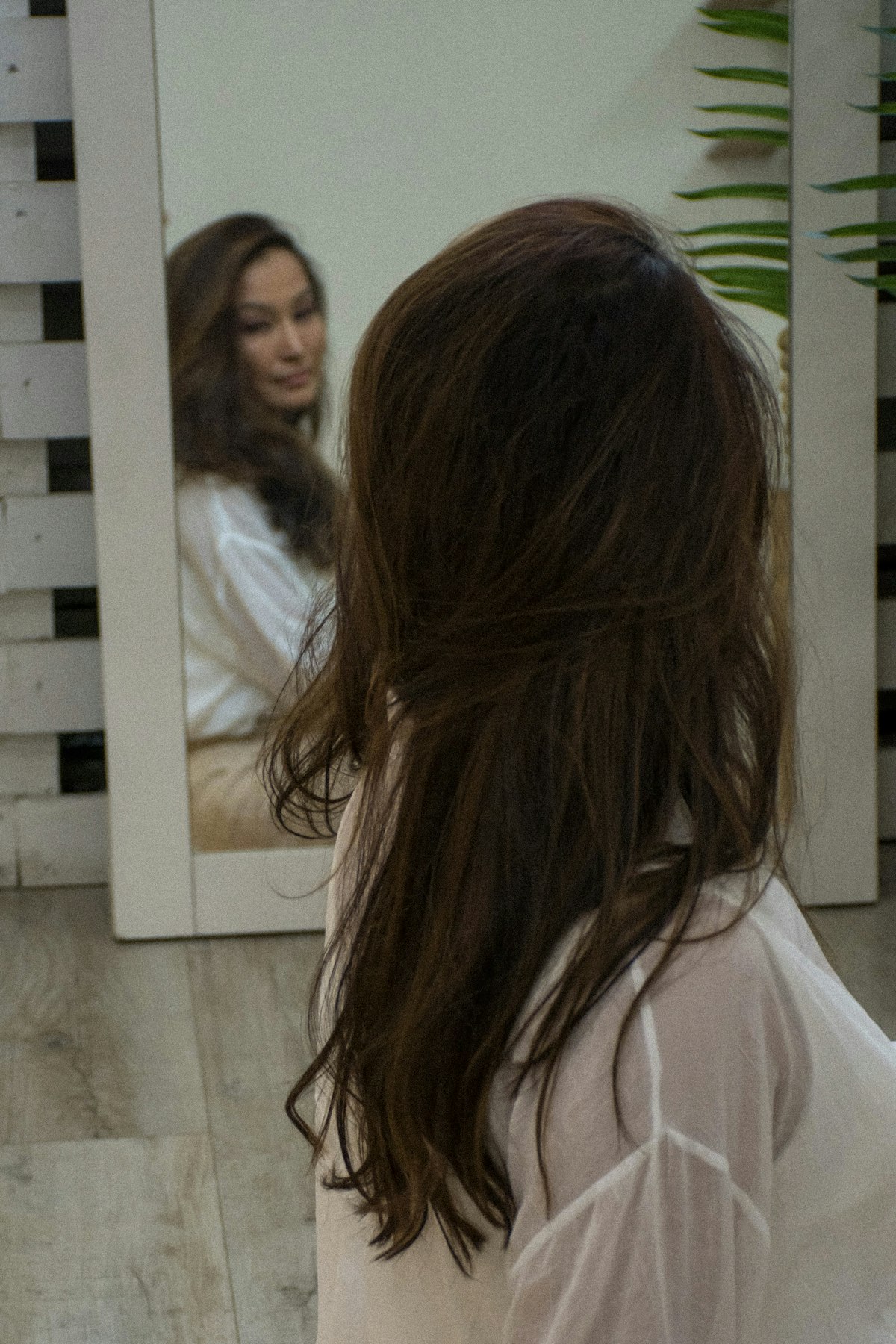
The alarm goes off, you sit up, and your hair delivers the verdict: yesterday's blowout is 70% intact, but the roots have that tell-tale flat, slightly shiny look that says "oily" to anyone standing within conversational distance. A full wash means 45 minutes you don't have. This is exactly the gap dry shampoo was invented for — if it didn't so often trade the oil problem for a white-cast problem.
You know the white-cast problem. The grayish dusting at the hairline, the powdery part that makes dark hair look like it's going prematurely gray in photos, the desperate head-rubbing that just moves the residue around. It doesn't have to be that way. White residue is almost always a formula-or-technique issue, and both are fixable.
The short version
The best dry shampoo is the one you apply before your hair looks greasy, from the right distance, in a formula matched to your hair color and oil level. These three cover the main situations:
- Batiste Original Dry Shampoo — the classic budget workhorse for everyday oil absorption
- Living Proof Perfect Hair Day (PhD) Dry Shampoo — the heavy-duty option that genuinely cleans hair, for very oily roots and post-workout rescues
- Klorane Dry Shampoo with Oat Milk — a fine, gentle mist for sensitive scalps and lighter oil days, easy on all colors
What to look for
Understand what the powder is doing. Dry shampoos absorb oil with starches and powders — rice starch, corn starch, silica, clays. Formulas built on fine-milled rice starch tend to disappear more cleanly than heavy talc-like powders. Some formulas go further and claim to actually remove oil and odor rather than just masking them; those are the ones worth it for genuinely oily scalps.
Tint is a shortcut, not a cheat. For brunettes and black hair, tinted dry shampoos eliminate the white-cast problem at the source. The trade-off: color transfer onto pillowcases and fingertips if you over-apply. If you'd rather stay untinted, look for "invisible" or "ultra-fine" claims backed by genuinely fine spray patterns — and be honest that technique will matter more.
Application distance is on the label for a reason. Most residue disasters happen at point-blank range. Sprays want 6–10 inches of distance so the powder lands dispersed, not dumped. Also check the formula type: aerosol sprays are most forgiving; powders give control for spot-treating but are easiest to overdo; foams and pastes exist for people who hate powder entirely.
Original Dry Shampoo
- Rice starch-based oil absorption
- Classic clean fragrance with a light finish
- Instant refresh for second and third-day hair
What we like
- The benchmark drugstore dry shampoo — cheap and effective
- Adds noticeable root volume as it refreshes
Good to know
- Can leave visible white cast on dark hair if sprayed too close
- Fragrance is classic but not subtle
Perfect Hair Day (PhD) Dry Shampoo
- Fast-absorbing powders plus a cleaning technology that removes oil and odor once brushed out
- Time-release fragrance for lasting freshness
- Designed to leave minimal visible residue
What we like
- Closest thing to freshly washed feel in a dry shampoo
- Brushes out cleaner than most, even on darker hair
Good to know
- Costs several times more than drugstore options
- Very dry scalps may find it too absorbing for daily use
Dry Shampoo with Oat Milk
- Oat milk to soothe and protect the scalp
- Ultra-fine powder blend with a naturally tinted beige tone
- Gentle formula suitable for frequent use and all hair colors
What we like
- One of the finest mists available — very forgiving on dark hair
- Gentle enough for reactive, easily irritated scalps
Good to know
- Lighter oil absorption — not a day-four rescue
- Smaller can size runs out faster for heavy users
The technique that kills white residue
Part one: apply at night. This is the single highest-impact dry shampoo tip in existence. Spray before bed, let the powder sit and absorb oil while you sleep, and brush or shake out the excess in the morning. Day-of application on already-oily hair is playing on hard mode.
Part two: wait, then work. Whenever you apply, give the product a full 30–60 seconds to absorb before touching it. Then massage with fingertips and brush through thoroughly — brushing is what physically removes the oil-loaded powder. If you spray and immediately fuss with it, you just smear un-absorbed powder into a visible paste. A quick blast of cool air from a dryer while shaking your roots also helps disperse any stubborn patches.
Part three: treat in sections. Lift the top layer and target the underlayers at the crown, around the part, and behind the ears — that's where oil shows. Spraying the surface of your hair is how you get dusty-looking lengths and still-greasy roots.
Knowing dry shampoo's limits
Dry shampoo buys you days, not weeks. By day three or four of layering, most scalps accumulate enough product that a real wash — ideally with an occasional scalp scrub or clarifying shampoo — is genuinely due. Ignoring that limit is how people end up with itchy scalps and dull hair they blame on the dry shampoo itself.
Also mind the sequence with other products: dry shampoo goes on dry hair, before any oils, serums, or heat. Spraying it over styled, product-coated hair is where chalky patches are born.
FAQ
Why does dry shampoo leave white residue on my hair?
Usually one of three reasons: you sprayed too close, you touched it before the powder had absorbed the oil, or the formula's powder is too coarse for your hair color. Night-before application, 6–10 inches of distance, a waiting minute, and a thorough brush-out fix most cases.
Does dry shampoo work on dark hair?
Yes, with the right approach. Tinted formulas made for brunettes are the zero-effort option. Untinted fine-mist formulas also disappear on dark hair when applied the night before and brushed out properly, since the powder leaves with the oil it absorbed.
Is dry shampoo bad for my scalp?
Used reasonably, no. Problems come from using it as a permanent wash replacement — layers of powder, oil, and dead skin build up and can irritate the scalp. Keep it to a few days in a row, wash properly in between, and exfoliate your scalp occasionally.
Can I use dry shampoo on clean hair?
Absolutely — many stylists do it deliberately. A light application on fresh hair adds grip and texture, prevents styles from going slippery-flat, and starts absorbing oil before it ever becomes visible. Just use less than you would on a rescue mission.
Think of dry shampoo as a bridge, not a destination: it carries a good hair day across one more morning, one more meeting, one more photo. Choose your formula for your hair color and oil level, apply it the night before, and the white-cast era of your life is officially over.