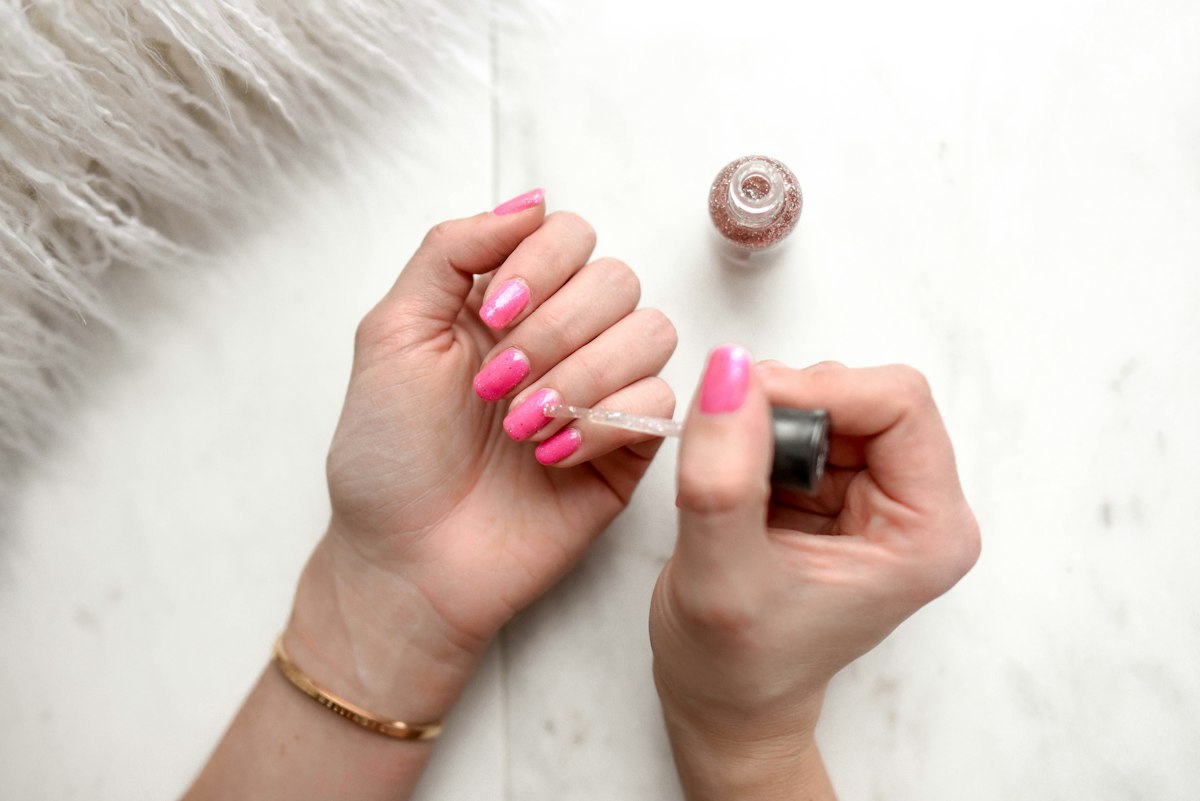
A Beginner Nail-Care Routine That Takes Ten Minutes a Week
Four moving parts, ten minutes, once a week: file gently, push don't cut, oil daily, protect. The starter routine that quietly fixes most nail complaints.
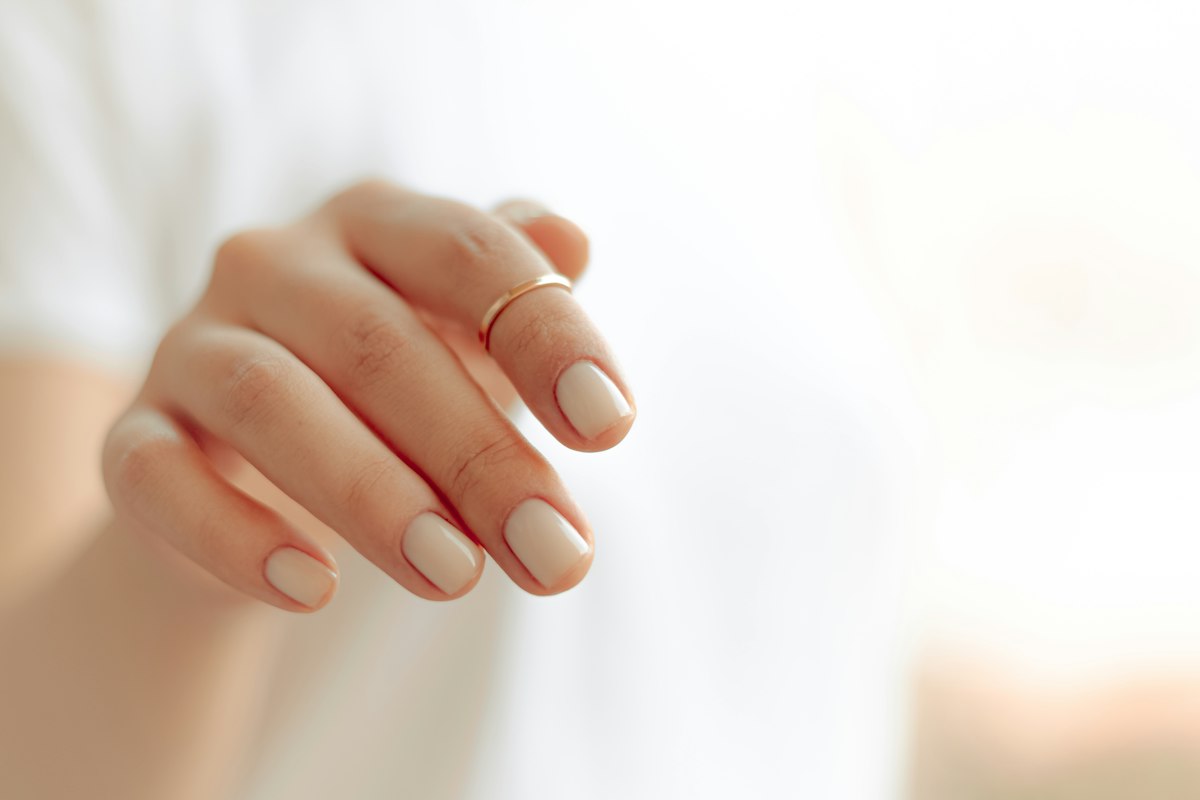
Look at your hands the way a camera does — close, unfiltered, mid-task. If your honest assessment is "fine, mostly, except the dry edges, the one ragged cuticle, and whatever is happening on my ring finger," you do not need a overhaul. You need ten minutes a week and a system simple enough to survive your actual life.
Beginners often buy everything and do nothing, because a fourteen-step routine is homework. This one has four moving parts, fits inside a TV episode's ad breaks, and compounds quietly: nails maintained weekly rarely need rescuing at all.
The short version
The beginner routine is: shape gently with a glass file, soften and push cuticles instead of cutting them, moisturize with oil daily, and protect with a base coat or strengthener if you wear nothing else. That is the whole system — everything else is garnish.
- Bona Fide Beauty Glass Nail File — the gentle shaping tool that prevents half of beginner damage
- Sally Hansen Instant Cuticle Remover — the soak-free way to tidy cuticles safely
- CND SolarOil Nail & Cuticle Oil — the daily habit that ties the routine together
What to look for
When you are building a first kit, buy for forgiveness. Glass files forgive bad technique because they seal the edge rather than shredding it. Chemical cuticle removers forgive shaky hands better than nippers do, because there is nothing to slip and nick with. Forgiveness is what keeps a new routine alive long enough to become a habit.
Resist the drill-and-device aisle entirely for now. Electric files and aggressive metal tools remove material faster than a beginner can judge, and "faster" is exactly how nails get thinned. Everything in a starter routine should work slowly enough for you to stop in time.
Finally, plan for the moisturizing step to be a product you enjoy touching — a scent you like, a bottle that lives where you sit. The best-formulated oil in a drawer loses to the decent oil on your desk every single week.
Czech Glass Nail File
- Tempered Czech glass with a permanently etched filing surface
- Files in both directions without fraying the nail edge
- Rinses clean and lasts far longer than disposable boards
What we like
- The most forgiving file for beginner technique
- One purchase replaces years of emery boards
Good to know
- Glass breaks if dropped on hard tile — store it in its case
- Costs more upfront than a pack of disposable files
Instant Cuticle Remover
- Dissolves dry, overgrown cuticle in about fifteen seconds
- Gel formula with aloe and chamomile stays where you place it
- Lets a pusher do the work with no blades involved
What we like
- Removes the riskiest beginner step — trimming — entirely
- Fast enough to use inside a ten-minute routine
Good to know
- Must be rinsed off promptly; not a leave-on product
- Very thick cuticles may need two passes
SolarOil Nail & Cuticle Oil
- Blend of jojoba, sweet almond, and sunflower oils with vitamin E
- Light texture that absorbs without a long greasy wait
- Sold in sizes from purse minis to salon back-bar bottles
What we like
- Easy to use daily, which is exactly what a routine needs
- Also softens cuticles ahead of the weekly push-back
Good to know
- The scent, while mild, is not for everyone
- Dropper format is less handbag-friendly than a pen
The ten-minute weekly session, minute by minute
Minutes one to three: file. Working on dry nails, shape with gentle strokes in one direction, following your natural curve with slightly softened corners — a squoval shape that resists catching and splitting.
Minutes four to six: cuticles. Apply cuticle remover along the base of each nail, wait the product's stated minute, then push the softened cuticle back with an orangewood stick or a rubber pusher at a shallow angle. What sloughs off is dead skin; what stays is the seal you want to keep. Wipe, rinse, done — nothing gets cut.
Minutes seven to ten: treat and protect. Massage cuticle oil around each nail and under the tips. If you wear polish, this is where base coat (or your strengthener) goes on clean, dry nails. If you go bare, the oil plus a gentle buff across the surface once in a while is your finish. That is the whole appointment — set a weekly anchor, like Sunday evening, and it will start to feel automatic by week three.
The daily two minutes that do the heavy lifting
The weekly session maintains; the daily habits transform. Oil once a day is the headline act. Beyond that: treat your nails as skin-adjacent, not as tools. Open cans with a spoon, peel stickers with a coin, and let gloves handle the dishes and cleaning sprays.
Hand cream after washing your hands is the supporting act, especially in winter. And one negative habit to retire early: never peel off polish, gel, or a hangnail. Peeling removes nail layers you cannot put back, and it is the fastest route from "beginner" to "why are my nails so thin?"
After about a month, take an honest photo in the same light as your starting one. Growth is invisible day to day, but four weeks of unbroken edges and tidy cuticles photographs like a different pair of hands.
FAQ
Do I need to cut my cuticles for nails to look neat?
No — and you should not. The visible "cuticle" people trim is mostly the fold of living skin that seals the nail. Push it back gently after softening and only ever snip a detached hangnail with clean nippers. Pushed-back cuticles give the same tidy look without the infection and regrowth problems.
How often should I file my nails?
A light weekly shaping during your routine is plenty for most people. Touch up a snag the moment it appears rather than letting it catch and tear. If your nails grow fast or you type all day, a mid-week thirty-second edge check keeps small issues small.
Is it okay to wear polish all the time, or do nails need breaks?
Nails do not breathe, so polish itself is not the problem — in fact, a base coat plus polish can protect weak nails from water and knocks. Take a break when nails look stained, very dry, or damaged, and focus on oil for a week or two; it is a condition-based decision, not a calendar rule.
What if my nails keep breaking despite the routine?
Check the usual suspects in order: filing wet nails, peeling anything off, skipping gloves for wet work, and nails long enough to flex on a keyboard. If breakage persists with all of those fixed, a strengthener as your base layer is the next step up from this routine.
Ten minutes, once a week, plus oil where you will actually reach for it. That is not a beauty regimen; it is basic maintenance, in the same category as cleaning your makeup brushes or conditioning your hair. Start this Sunday, and let your camera roll deliver the progress report.