Best Nail Strengtheners for Peeling, Brittle Nails
Peeling at the corners, snapping at the tips? Match the treatment to your actual nail problem — peeling, bending, or dryness — and give it one full growth cycle.
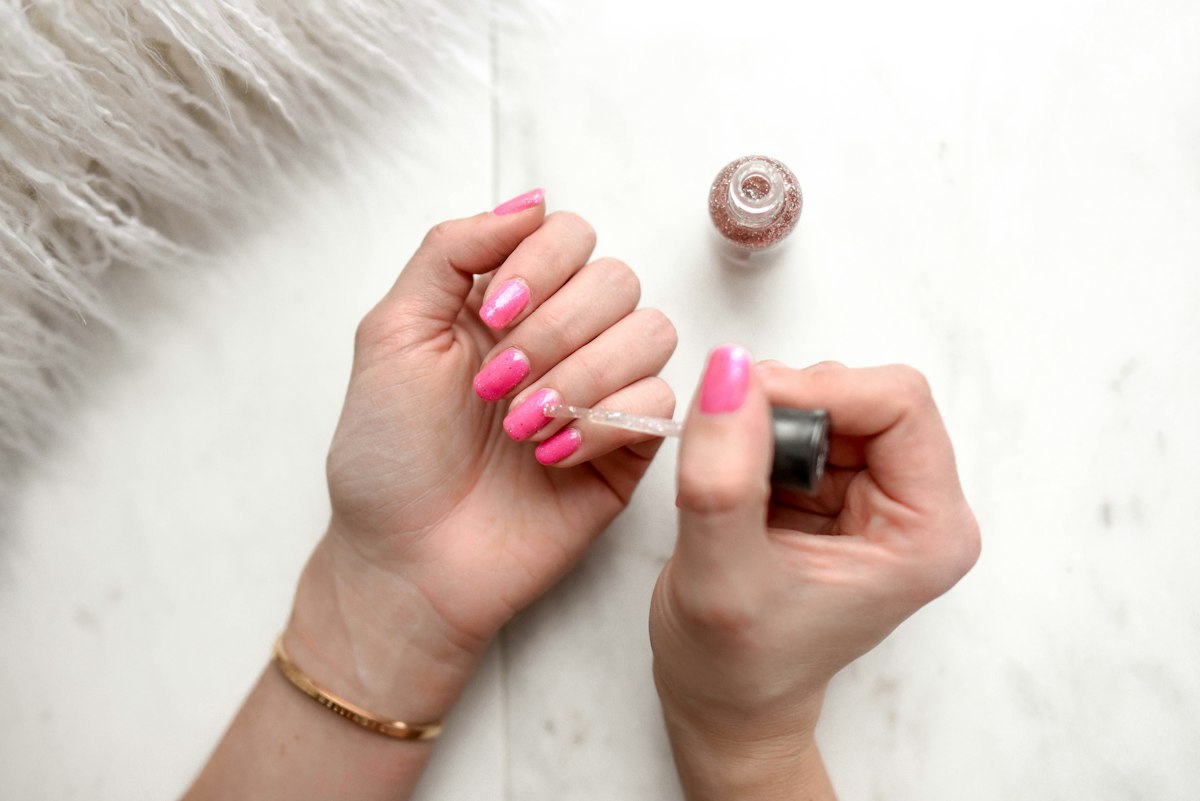
You are three days out from a wedding, a job interview, or just a dinner where someone will definitely see your hands, and a nail splits. Again. Not a dramatic break — that low, annoying peel at the corner that catches on everything and makes the whole fingertip look neglected no matter what you do.
Peeling and brittleness rarely come from one bad habit. It is usually a pile-up: water from dishes and long showers, polish remover on repeat, dry indoor air, and nails that were never especially thick to begin with. The good news is that a strengthener works like a splint while your nails grow out healthier from the base — and the newest growth is the part you can actually protect.
The short version
A strengthener will not transform your nail type overnight, but the right formula, worn as a base coat or on its own and reapplied through the week, reduces peeling and soft bending for most people within one growth cycle. Start with a treatment matched to your main problem: peeling, snapping, or slow growth.
- OPI Nail Envy Nail Strengthener — the all-rounder for peeling, weak nails
- Sally Hansen Hard As Nails Hardener — the budget classic for soft nails that bend
- Olive & June Nail Strengthener — a gentler, formaldehyde-free option for sensitive nails
What to look for
First, know the difference between a hardener and a strengthener, because they solve opposite problems. Hardeners add rigidity and suit nails that are soft and bendy. But if your nails are already dry and brittle, making them harder can make them snap more, not less. True strengtheners focus on flexibility and bonding the nail layers together, which is what peeling nails need.
Second, check the formula philosophy. Traditional hardeners often use formaldehyde or formaldehyde resin; many modern formulas skip it in favor of proteins, keratin, calcium, or biotin. Neither camp is automatically better — the older formulas genuinely work on very soft nails — but if your nails are sensitive, the gentler formulas are the safer starting point.
Finally, think about how you will actually wear it. Some treatments are meant as a standalone clear coat refreshed every few days; others double as a base coat under color. The best strengthener is the one that fits your routine, because consistency over six to eight weeks matters far more than any single ingredient.
Nail Envy Nail Strengthener
- Formulated with hydrolyzed wheat protein and calcium
- Worn alone as a clear treatment or as a base coat
- Also sold in tinted versions for a polished bare look
What we like
- Versatile — treatment and base coat in one bottle
- Noticeable improvement in peeling for most users within a growth cycle
Good to know
- Premium price for a treatment product
- Requires disciplined reapplication through the week
Hard As Nails Hardener
- Classic hardening formula sold for decades
- Seals the nail edge to help prevent chipping and splitting
- Works as a standalone clear coat or base
What we like
- One of the most affordable treatments in the drugstore aisle
- Easy to find almost anywhere nail polish is sold
Good to know
- Can over-harden already dry, brittle nails and increase snapping
- Shine dulls faster than newer formulas
Nail Strengthener
- Formaldehyde-free formula built around celery seed extract
- Designed to support keratin production and smoother ridges
- Vegan and cruelty-free positioning
What we like
- Gentler approach that suits dry, reactive nails
- Layers smoothly under the brand's polishes and others
Good to know
- Results build more slowly than with classic hardeners
- Mostly sold through the brand's own channels and select retailers
How to use a strengthener so it actually works
Start on completely bare nails. Remove old polish, wash your hands, and let nails dry fully — treatments bond poorly to damp nail plates. Apply two thin coats on day one. Then add one fresh coat every other day for a week, building a protective layer rather than one thick, peel-prone one.
At the end of the week, remove everything and start again. This reset matters: endlessly layering old product leads to lifting edges that trap water underneath, which makes peeling worse. Most brands suggest a one-to-two-month treatment window; after that, drop to once-weekly maintenance or use the formula as your regular base coat.
A common mistake is treating the strengthener like armor and behaving accordingly. It is not. Gloves for dishes and cleaning still matter more than any bottle, because water swelling and shrinking the nail plate is the number one driver of peeling.
Habits that quietly undo your progress
Cuticle oil is the strengthener's partner, not an optional extra. A dry nail plate is a brittle one, and a few seconds of oil at the base of each nail daily keeps the new growth flexible as it emerges. If you do nothing else from this guide, do that.
Filing technique is the other silent culprit. Sawing back and forth frays the free edge into layers that are primed to peel. File in one direction, keep the edge slightly rounded or squoval rather than sharp-cornered, and never file wet nails, which are at their weakest.
And be honest about enhancements. Repeated gel or acrylic removal — especially rushed removal — thins the plate for months. If your nails are peeling badly, a genuine polish break while the damage grows out will do more than any product layered on top of it.
FAQ
How long until a nail strengthener works?
Expect visible improvement in three to four weeks and a fair verdict at eight. Fingernails grow slowly, so the stronger new growth needs time to replace the damaged free edge. Judge by the new nail near the cuticle, not the old tips.
Can I wear a strengthener under regular polish?
Yes — most work well as a base coat, and wearing polish on top can add another layer of protection. Just keep up the reapplication schedule when you change colors, and avoid leaving any manicure on so long that the edges lift.
Should brittle nails use a hardener or a strengthener?
If nails snap and feel dry, choose a flexible strengthener and add cuticle oil. If nails are soft, bendy, and tear rather than snap, a hardener is the better match. Using a hardener on dry, brittle nails often increases breakage.
Is formaldehyde in nail treatments something to avoid?
It is an effective hardening ingredient, but it can irritate skin and over-harden nails with heavy use. Many people do fine with it in moderation; if you are sensitive or prefer to skip it, the modern protein- and keratin-based formulas are a reasonable alternative.
Healthy nails are a slow project measured in growth cycles, not weekends. Pick the formula that matches your actual problem, protect it with gloves and oil, and give it two months before you judge it. The split-before-the-event era can end — gradually, one millimeter of stronger new growth at a time.