Best Hand Creams for Winter That Aren't Greasy
Rich enough for cracked January knuckles, gone in time to type. The hand creams that pass the keyboard test — and the sink-side routine that rescues winter hands.
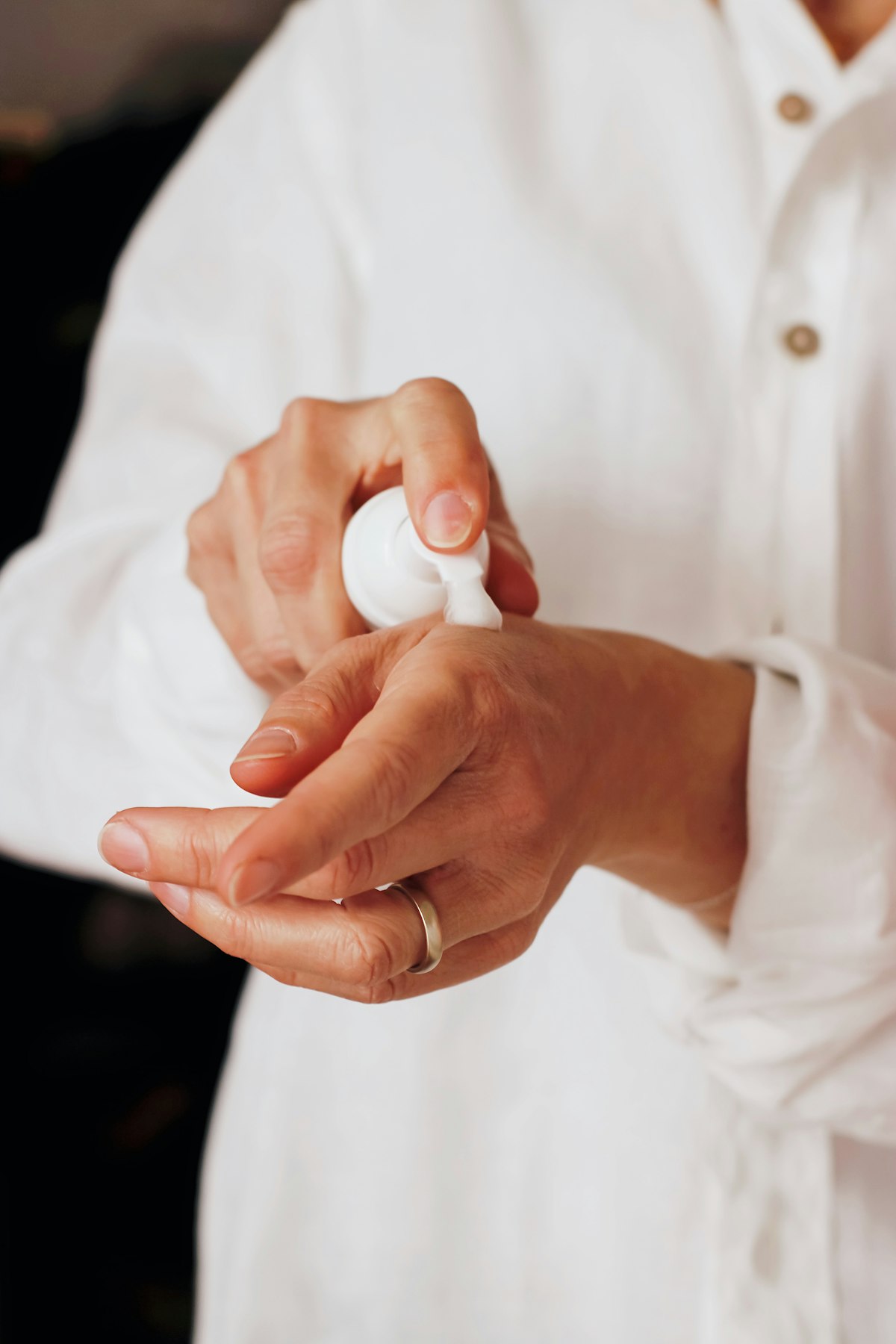
By mid-January, your hands are living a harder life than the rest of you. They go from freezing air to scalding dishwater to the twentieth hand-wash of the day, and the skin on the backs of them — thin, almost no oil glands — gives up first: tight, rough, sometimes cracking at the knuckles.
The obvious answer, a rich hand cream, comes with an obvious problem: you apply it, then you can't open a jar, type, or touch your phone for five minutes. So the tube lives in a drawer and your hands stay dry. The real brief for winter isn't just "moisturizing" — it's moisturizing and gone within a minute of rubbing in.
The short version
For most people, L'Occitane Shea Butter Hand Cream is the winter standard: properly rich, and it settles down faster than its texture suggests. When hands are truly wrecked — cracked, rough, working-hands territory — O'Keeffe's Working Hands is the repair specialist. And if you hate the feeling of cream at all, Neutrogena Hydro Boost Hand Gel Cream is the non-greasy gel that absorbs like it was never there.
- L'Occitane Shea Butter Hand Cream — best all-round winter hand cream
- O'Keeffe's Working Hands — best for very dry, cracked, hard-working hands
- Neutrogena Hydro Boost Hand Gel Cream — best genuinely non-greasy formula
What to look for
Occlusives for winter, humectants for speed. Shea butter (L'Occitane's formula is built around a high shea percentage) and petrolatum lock water in — what January hands need. Glycerin and hyaluronic acid pull water in and give gel-creams like Neutrogena's their instant-absorb feel, but on their own they can fall short in deep cold, which is why many people run a two-cream system: gel by day, rich cream at night.
"Non-greasy" is a formulation claim you can verify. Look for words like gel-cream and fast-absorbing, and be wary of mineral-oil-heavy formulas if residue is your dealbreaker. Silicone ingredients (dimethicone) are actually your friend here — they give slip and a protective feel without an oily film, which is why keyboard-friendly creams so often contain them.
Fragrance is a real consideration at your desk. Your hands are near your face all day. A strongly perfumed cream you'll smell for six hours can be a delight or a headache, and it can clash with your perfume. Fragrance-free options exist in every category on this page.
Shea Butter Hand Cream
- High shea butter content (the classic formula is known for its 20% shea)
- Rich balm-cream texture that warms and settles as you rub it in
- Iconic metal tube that squeezes down to the last bit
What we like
- Properly rich yet workable within about a minute
- A pea-sized amount covers both hands, so a tube lasts
Good to know
- Classic version is scented, which not everyone wants at a desk
- Premium price per tube compared with drugstore options
Working Hands Cream
- Designed for extremely dry, cracked skin on working hands
- Glycerin-based formula that draws in moisture and helps protect it
- Unscented and non-greasy once absorbed
What we like
- The repair pick when regular creams stop being enough
- A little goes a very long way, making the jar economical
Good to know
- Texture starts oddly waxy until you learn the small amount it needs
- Unscented and utilitarian — no ritual pleasure in it
Hydro Boost Hand Gel Cream
- Hyaluronic acid in a gel-cream format
- Absorbs almost instantly with no residue on keyboards or phones
- Fragrance-free and non-comedogenic positioning
What we like
- You can type, scroll and open jars immediately after applying
- Ideal desk-drawer cream for reapplying after every wash
Good to know
- Lightest moisture of the three — may need a richer partner at night in deep winter
- Gel texture can feel like it 'disappears' before very dry skin feels coated
The routine that actually rescues winter hands
The single highest-impact habit: cream after every wash, while hands are still slightly damp. Keep a tube where the washing happens — kitchen sink, bathroom sink, desk drawer — because a cream you have to walk to fetch is a cream you'll skip. Tube placement beats product choice.
At night, go heavier than feels reasonable and let time do the work. A thick layer of your richest cream before bed, ideally with cotton gloves or even clean socks over them for the first hour, is the closest thing to an overnight reset. This is where a slow-absorbing formula stops being a flaw — you have eight hours.
Don't forget the details your moisturizer can't fix: lukewarm water instead of hot for washing, gloves outside even for short walks (cold air alone is a drying event), and a proper scrub once a week if the backs of your hands feel rough — dead skin sitting on the surface blocks cream from reaching the skin underneath.
Mistakes that keep hands dry all winter
Applying cream to bone-dry hands at your desk and wondering why it "doesn't work" is the big one — most hand creams are designed to seal in water, and if there's no water on the skin, there's little to seal. Damp hands, or at minimum cream right after washing, changes everything.
The second mistake is judging a rich cream in the first ten seconds. Shea-heavy formulas feel like too much at first contact, then settle as they warm to skin temperature. Rub it in fully and give it a minute before you write it off as greasy — and use a pea-to-almond-sized amount, not a ribbon; most "this cream is so greasy" reviews are portion problems.
FAQ
How many times a day should I apply hand cream in winter?
After every hand-wash is the ideal, which for most people means four to eight light applications, plus one heavy one at night. Frequency beats quantity — small amounts often outperform one big morning application.
Why do my knuckles crack even though I moisturize?
Knuckles flex constantly, so the skin there stretches and splits first. Target them specifically with your richest cream at night, and if a crack does open, treat it like any minor skin break — keep it clean, moisturized, and protected while it closes.
Is hand cream with SPF worth it for winter?
The backs of your hands are one of the most sun-exposed spots year-round (driving especially). It isn't essential on dark January commutes, but if you use one cream all year, an SPF version earns its place in daylight months.
Can I just use my body lotion on my hands?
You can, and it's better than nothing — but body lotions are usually thinner and slower to absorb than hand formulas, which is exactly the greasiness problem. A dedicated hand cream near the sink gets used; that's the whole game.
Winter hands aren't a product shortage, they're a placement and timing problem. Gel for the desk drawer, something rich for the nightstand, cream after every wash — set that up once in November and your knuckles will make it to spring intact.