Body Scrubs Compared: Sugar, Salt and Chemical Exfoliants
Three kinds of scrub, three different jobs. How to match sugar, salt and AHA exfoliants to roughness, bumps and sensitive skin — without wrecking your barrier.
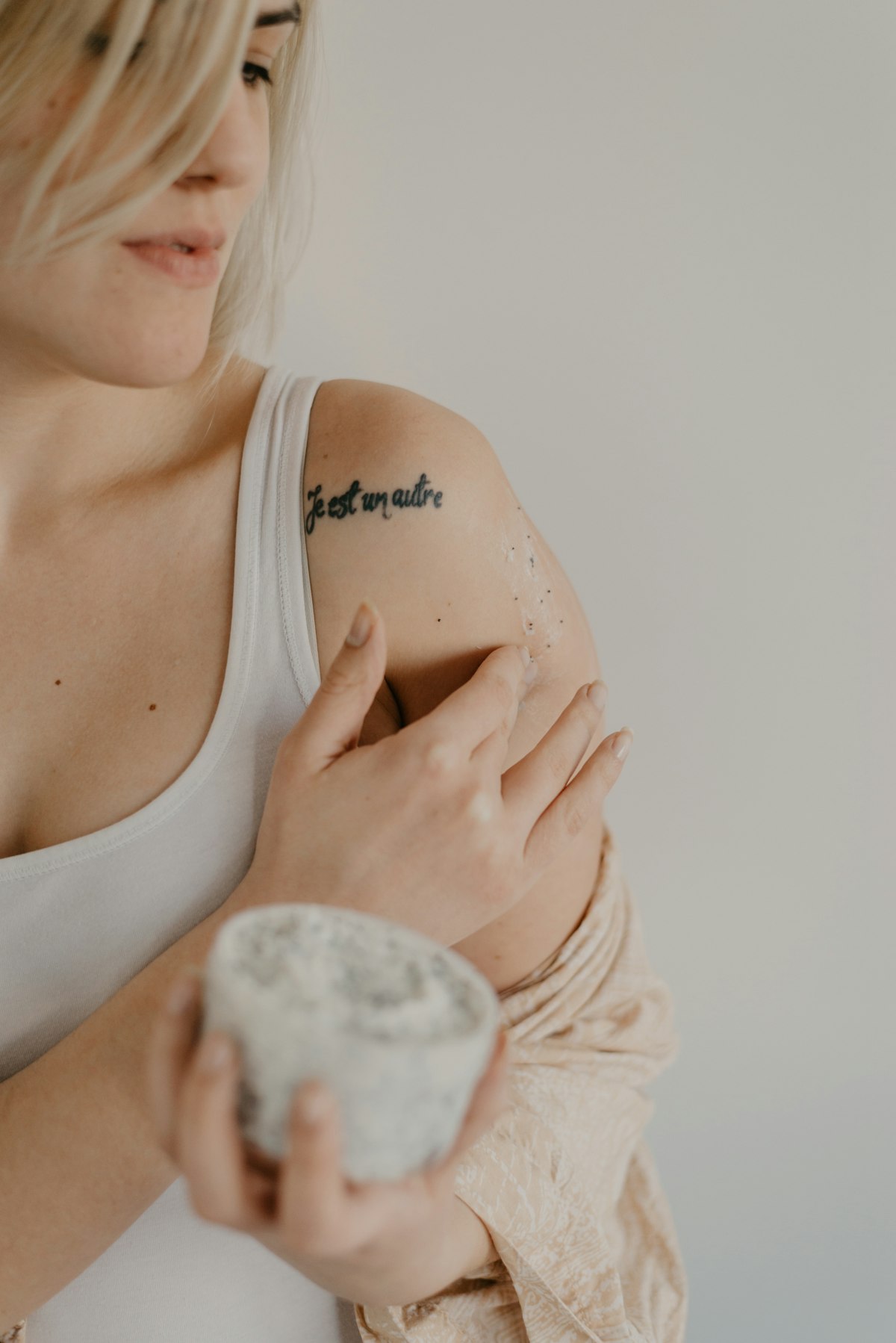
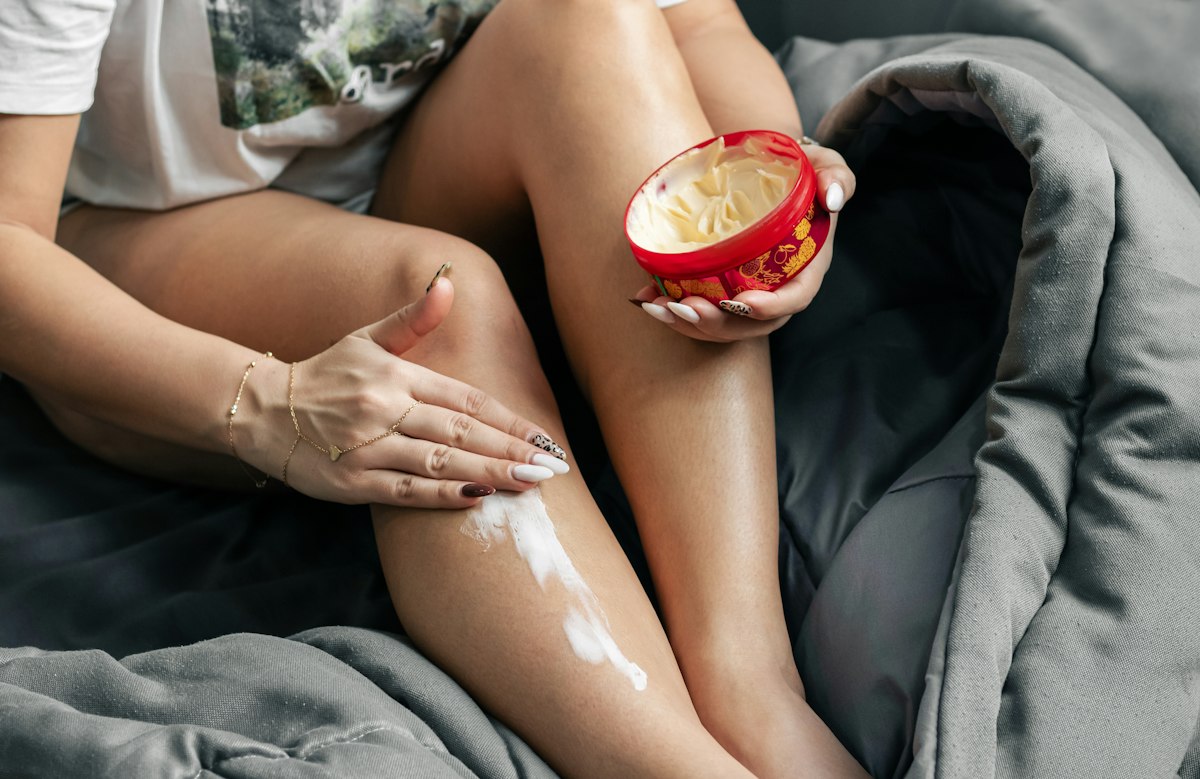
Run your palm up the back of your arm in the shower and you'll feel it: that sandpapery patchwork of bumps and rough spots that body lotion seems to slide right over. Sometimes it's keratosis pilaris, sometimes it's just dead skin piling up faster than it sheds. Either way, this is scrub territory — but the scrub aisle has quietly split into three different products wearing the same costume.
Sugar, salt, and chemical exfoliants all promise smooth skin, and all three can deliver it, but they work completely differently and suit completely different skin. Picking the wrong one is how people end up red, stinging, and weirdly still bumpy. Here's how to choose by what your skin actually needs.
The short version
If you want one scrub that works for most bodies: Tree Hut Shea Sugar Scrub is the classic physical exfoliant — effective, affordable, and gentle enough for regular use. If your skin is reactive or you're scrubbing delicate areas, Dove Exfoliating Body Polish is the soft-touch option. And if bumps are your actual problem rather than general roughness, the First Aid Beauty KP Bump Eraser Body Scrub brings chemical exfoliants (AHAs) to do the work grains can't.
- Tree Hut Shea Sugar Scrub — best all-round physical scrub
- Dove Exfoliating Body Polish — best for sensitive skin and delicate zones
- First Aid Beauty KP Bump Eraser Body Scrub — best for stubborn bumps (KP)
What to look for
How the exfoliation happens. Sugar and salt scrubs work mechanically: you rub, grains buff away surface cells, then dissolve or rinse off. Sugar dissolves faster and its granules are rounder, which is why sugar scrubs are the gentler default; salt granules are more abrasive and can sting on freshly shaved or broken skin, but they're a strong match for feet, elbows, and pre-self-tan prep. Chemical exfoliants — glycolic and lactic acid (AHAs), sometimes paired with salicylic acid (BHA) — loosen the "glue" between dead cells so they shed without any scrubbing at all.
The base matters as much as the grain. A scrub suspended in oils or butters leaves a moisturizing film that means you may not need lotion afterward; a gel-based scrub rinses clean. Oil-based scrubs are wonderful in winter and treacherous in the shower — the tub floor gets genuinely slippery, so sit or use a mat and rinse the floor for the next person.
Frequency guidance on the label. A good scrub tells you how often to use it. Physical scrubs generally suit two to three sessions a week; AHA body scrubs are often one to two, because the acid keeps working after you rinse.
Shea Sugar Scrub
- Sugar granules suspended in shea butter and natural oils
- Wide range of scents, from coffee to tropical fruit
- Rinses to a moisturized finish — many skip lotion afterward
What we like
- Effective buffing without feeling harsh at moderate pressure
- A jar lasts a long time for twice-weekly use
Good to know
- Oil-based formula leaves the shower floor slippery
- Strong fragrances in many variants won't suit scent-sensitive users
Exfoliating Body Polish
- Creamy whipped polish with gentle exfoliating particles
- Quarter moisturizing cream in the base, per Dove's formula positioning
- Fine texture suits underarms, bikini line and reactive skin
What we like
- Polishes without the scratchiness of coarse scrubs
- Won't sting freshly shaved or sensitive areas the way salt can
Good to know
- Too mild if your goal is heavy-duty roughness or tan removal
- Cream base means no oil finish — you'll still want lotion
KP Bump Eraser Body Scrub
- Combines glycolic and lactic acids (10% AHA total) with physical pumice buffing beads
- Chemical exfoliation loosens the build-up that traps hairs in KP
- Fragrance-free and made for bump-prone skin
What we like
- Addresses bumps themselves, not just surface roughness
- Dual action: acid does the work even where you can't scrub hard
Good to know
- Not for very sensitive skin or freshly shaven areas
- Higher price per use than the sugar scrubs
Match the scrub to the job
General maintenance — dullness, light roughness, that pre-event polish — is a sugar scrub's home turf. Massage onto wet skin in circles, let the oils sit a moment, rinse. For bumps on the backs of arms and thighs, alternate: a chemical scrub does the deep work of clearing the pore, and many people find AHAs alone smooth KP better than a decade of grainy scrubs. For self-tan prep, go physical and oil-free the day before (oil residue can interfere with tanner development), and use your scrub as an eraser mid-week when a tan starts fading in patches.
One technique note people skip: pressure. Let the product do the work. Pressing harder doesn't exfoliate deeper; it just irritates. If your skin is red for more than a few minutes after, you scrubbed too hard or too long — dial it back before you blame the product.
Mistakes that make scrubs backfire
Scrubbing right before shaving and right after a workout and the day you used a strong active elsewhere is how barriers get wrecked. Pick your exfoliation days and let them be the only event. The same goes for layering a chemical scrub and then an AHA body lotion on top — that's a double dose your skin didn't ask for. Alternate them by day instead.
Also, respect the sunburn rule and the broken-skin rule: no scrub of any kind on sunburned, freshly waxed (wait 24–48 hours), or irritated skin. And if you use an AHA scrub regularly, your skin is somewhat more sun-sensitive — sunscreen on exposed areas stops being optional.
FAQ
How often should I use a body scrub?
Two to three times a week for physical scrubs, once or twice for AHA-based ones, is the standard guidance. Daily scrubbing is the most common cause of the sensitivity people then blame on the product.
Sugar or salt — which is better?
Sugar for most people and most areas: rounder granules, dissolves as you work, gentler. Salt earns its place on very rough zones like feet and elbows, but avoid it on shaved or broken skin because it stings.
Can a scrub fix keratosis pilaris bumps completely?
Chemical exfoliants like the AHAs in the KP Bump Eraser are the best-documented cosmetic approach and can visibly smooth bumps with consistent use. KP is a chronic, genetic tendency though — think management, not a permanent cure.
Should I exfoliate before or after shaving?
Before. Scrub first to lift dead skin and free trapped hairs, then shave on clean, softened skin. Scrubbing right after shaving invites stinging and irritation.
Smooth skin isn't about owning three scrubs — it's about knowing which job you're doing. Keep one gentle physical scrub for regular polish, add a chemical option if bumps are your battle, and let your skin, not the calendar, set the pace.