Best Body Oils to Use After a Shower (and How Not to Ruin Your Towels)
The ninety-second post-shower window is when body oil actually works. Light vs. rich oils, the wet-skin method, and the towel protocol that keeps whites white.
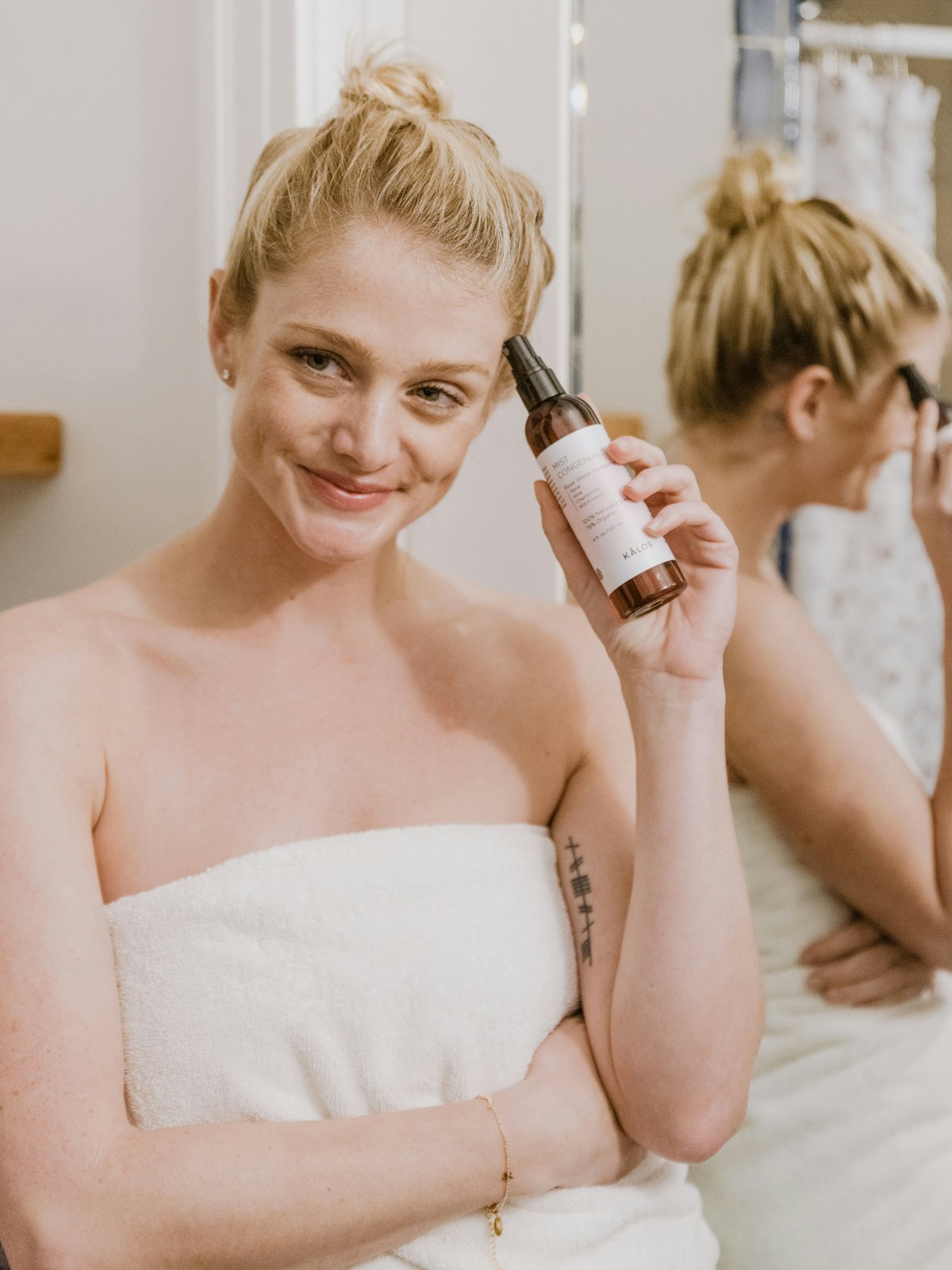
There's a window — about ninety seconds after you turn off the shower — when your skin is warm, damp, and more receptive to moisture than it will be all day. Body oil people know this window well. It's why they glide out of the bathroom looking lit-from-within while the rest of us apply lotion to dry skin in February and wonder why it isn't working.
But body oil has a public-relations problem, and it's your towels. One beautiful white bath towel, used to pat dry after an oil application, can come out of the wash with gray, stale-smelling patches that never quite leave. The good news: that's a technique problem, not an oil problem, and it's completely solvable.
The short version
For most people, Neutrogena Body Oil (Light Sesame Formula) is the ideal starter — it absorbs faster than any other classic oil and behaves almost like a dry oil. Bio-Oil Skincare Oil is the multi-tasker, best if you also want a product aimed at the look of scars and uneven tone. And Palmer's Cocoa Butter Formula Body Oil is the rich, comforting pick for dry skin that wants oil with that classic cocoa scent.
- Neutrogena Body Oil — best fast-absorbing everyday oil
- Bio-Oil Skincare Oil — best multi-purpose oil (body, marks, uneven tone)
- Palmer's Cocoa Butter Formula Body Oil — best rich oil for dry skin
What to look for
Oil weight decides everything. Light oils — sesame, grapeseed, squalane-style formulas — spread thin, absorb in minutes, and suit daily use and warmer weather. Heavier oils (coconut, rich cocoa-butter blends) sit longer on the surface, shine more, and earn their keep in winter on very dry legs. If your first body oil felt "greasy for hours," you didn't dislike oil; you picked the wrong weight for your skin and season.
Added ingredients are a bonus, not the point. Some oils carry extras — Bio-Oil includes vitamins A and E and botanical oils alongside its base — which can support the appearance of uneven tone. But the primary job of any body oil is occlusion: sealing in the water already on your skin. Judge oils first by how they feel and absorb.
Pump or pour matters. A pump bottle in the shower zone gets used; a screw-cap bottle with wet hands gets abandoned. Small detail, decisive in practice.
Body Oil, Light Sesame Formula
- Sesame seed oil base with a notably light, quick-absorbing texture
- Designed to be applied to damp skin after showering
- Available in fragrance-free and lightly scented versions
What we like
- Absorbs in minutes — the most lotion-like oil here
- Minimal transfer to towels and clothes when applied to wet skin
Good to know
- Lightweight — may not be enough alone for very dry winter skin
- Bottle pours freely, so it's easy to over-apply at first
Skincare Oil
- PurCellin Oil base designed to keep the formula light and non-greasy
- Vitamins A and E plus calendula, lavender, rosemary and chamomile oils
- Positioned for scars, stretch marks and uneven skin tone appearance
What we like
- One bottle covers body care and targeted areas like marks
- Spreads extremely thin, so a small bottle lasts months
Good to know
- Distinctive scent not everyone enjoys
- A little goes a very long way — over-applying leaves residue
Cocoa Butter Formula Body Oil
- Cocoa butter and vitamin E in a body-oil format
- Part of the classic Cocoa Butter Formula line
- Can be used in the bath or applied after showering
What we like
- Deeper moisture than the light oils — good winter legs option
- That familiar cocoa scent doubles as a light fragrance layer
Good to know
- Sweet cocoa scent is strong and lingers
- Richer texture needs more settling time before dressing
How to apply (and save your towels)
The method: shower as usual. Turn off the water. While still standing in the tub or shower — this part is non-negotiable for towel survival — apply oil to wet skin, where it emulsifies slightly and spreads with a fraction of the product. A few drops per limb is genuinely enough; the water does the distribution work. Then pat — never rub — dry with your towel. Because the oil went on wet skin and mostly absorbed during the pat-down, what reaches the towel is minimal.
Towel protocol, for the cautious: designate one darker or older towel as your post-oil towel for the first weeks while you calibrate your amount. Wash bath towels in warm water with a full dose of detergent — oil residue builds up in cold, light washes and is the real source of that stale smell, not the oil itself. If towels already smell musty, a hot wash with a cup of white vinegar in the rinse restores most of them.
Timing completes the picture: give oil three to five minutes before dressing, and know that silk and light satin will show oil marks more than cotton — dress those pieces last or skip oil on nights they're the plan.
Mistakes that turn people off body oil forever
Applying oil to dry skin is the classic: it sits on the surface, transfers to everything, and convinces people oil "doesn't absorb." It does — on damp skin, where it was designed to go. Using too much is the second: on wet skin, drops go astonishingly far, and the correct amount is about half of your instinct.
Third: oiling before a spray-tan appointment or self-tan session (oil creates a barrier that blocks even development — skip it for 24 hours before tanning), and stepping into a freshly oiled shower floor tomorrow morning. Wipe the tub floor down after; oil slick is a genuine hazard.
FAQ
Can I use body oil instead of lotion entirely?
Many people do, especially in summer. In deep winter, very dry skin often does best with the combination — oil over damp skin, then lotion on top on the driest areas. The oil seals; the lotion adds water-based hydration underneath.
Will body oil stain my clothes?
Applied correctly (small amount, on wet skin, a few minutes to settle), transfer is minimal on cotton and denim. Delicate light fabrics like silk are the exception — let the oil fully absorb first or skip it that day.
Is body oil okay for oily or breakout-prone skin on the body?
Choose a light formula and keep richer oils off the chest and back if those areas break out. Light sesame and similar fast-absorbing oils are the safest starting point.
Why does the oil sit on my skin instead of sinking in?
Almost always one of three causes: skin was dry, not damp; you used too much; or the oil is a heavier weight than your skin needs right now. Fix them in that order.
Body oil done right is the fastest route to that just-left-the-spa sheen — wet skin, a few drops, pat dry, dark towel while you learn your dose. Keep the white towels for guests and the oil for you, and never the twain shall meet.