Tinted Moisturizer vs. Foundation: How to Choose for Your Skin and Schedule
Sixty-second face or full-coverage day? Tinted moisturizer and foundation are tools for different mornings. Here's how to match coverage, finish and effort to your skin — and your calendar.
Some mornings you have forty minutes, a good mirror, and nowhere to be until ten. Other mornings you're applying base makeup at a red light, holding a coffee, with a presentation at nine. Your skin may want the same thing on both days — but your schedule definitely doesn't.
Tinted moisturizer and foundation aren't rivals; they're tools for different versions of your life. The goal is matching coverage, finish, and effort to the day you're actually having.
The short version
Tinted moisturizer (and its cousins — tinted serums and BB creams) evens tone lightly while behaving like skincare: fast to apply with fingers, forgiving of dry patches, and comfortable for all-day wear. Foundation gives controlled medium-to-full coverage, a wider shade range, and a finish built to last through long, photographed days. Own both if your week has both kinds of mornings. Three bases that cover the spectrum:
- L'Oréal Paris True Match Nude Hyaluronic Tinted Serum
- Maybelline Dream BB Fresh Skin Perfector
- Maybelline Fit Me Matte + Poreless Foundation
What to look for
Start with the coverage question, honestly. If your main concerns are mild redness, uneven tone, and a general "tired" look, tinted products will satisfy you completely. If you want to substantially cover acne marks, melasma, rosacea, or scarring — or you're being photographed — foundation's pigment load and shade precision earn their extra minutes.
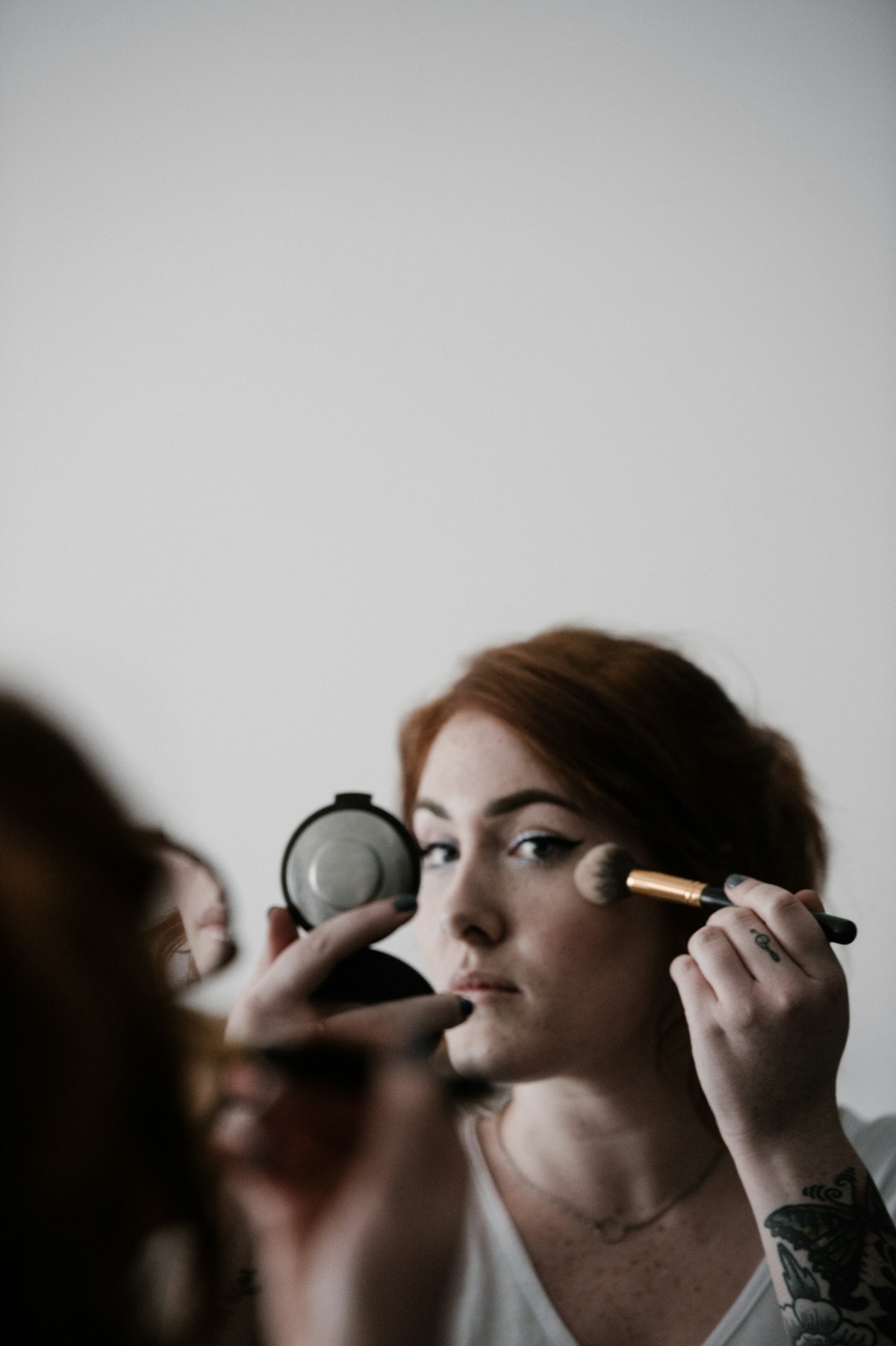
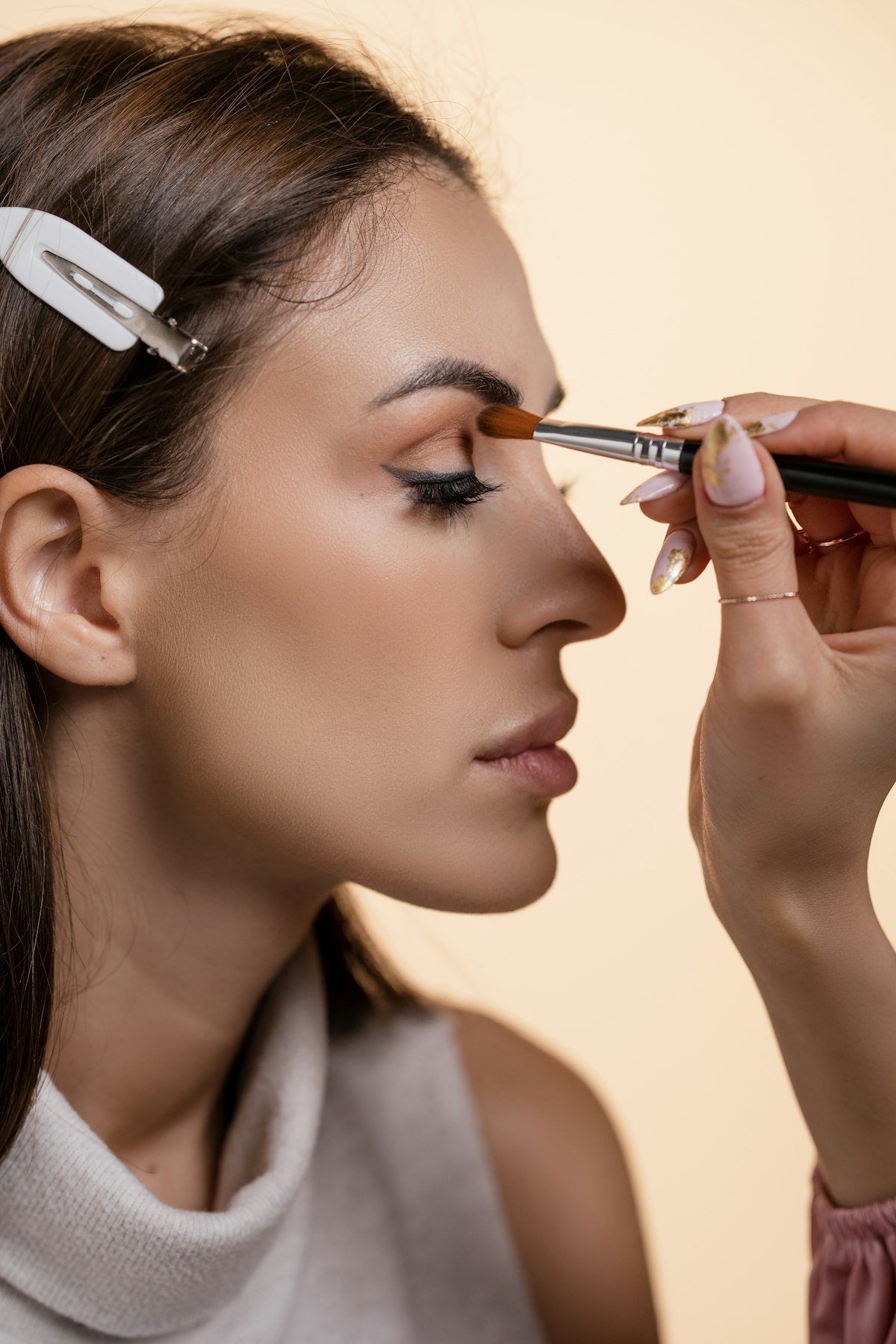
Then weigh application style. Tinted moisturizers and BB creams are designed for fingers: the warmth helps them melt in, they take sixty seconds, and mistakes are nearly invisible. Foundations reward tools — a sponge or brush — and a few extra minutes of blending, especially around the jaw and hairline. If a product demands more technique than your mornings allow, it will live in the drawer no matter how good it is.
Finally, consider your skin's daily behavior. Oily skin often finds tinted moisturizers too dewy by midday unless they're oil-free formulas set with powder, while many foundations offer matte, oil-controlling options. Dry skin tends to love tinted products year-round and needs foundations chosen carefully from the hydrating end of the shelf.
True Match Nude Hyaluronic Tinted Serum
- 1% hyaluronic acid serum base per the brand
- Sheer, buildable coverage in 14 flexible shades
- Dropper-style serum format, applied with fingers
What we like
- Evens tone while feeling like pure skincare
- Shade flexibility forgives an imperfect match
Good to know
- Serum texture can separate — shake before use
- Too dewy for very oily skin without powder
Dream BB Fresh Skin Perfector
- 8-in-1 BB formula with SPF 30
- Includes primer-like smoothing in one step
- Oil-free, lightweight gel-cream texture
What we like
- One product replaces moisturizer, primer and base
- Never looks heavy, even applied in a hurry
Good to know
- Shade range is limited compared with foundations
- SPF level still isn't a sunscreen substitute
Fit Me Matte + Poreless Foundation
- Oil-free, matte finish foundation
- 40+ shades across undertones
- Blurring powders in the formula for a poreless look per the brand
What we like
- Real medium coverage that lasts the day
- Controls shine far better than any tint
Good to know
- Matte finish can emphasize dry patches
- Needs a sponge or brush for the best result
The tint family, decoded: moisturizer vs. serum vs. BB cream
The names overlap, but there are real tendencies. Tinted moisturizer is the sheerest — skincare first, pigment second, ideal for no-makeup days and very dry skin. Tinted serums sit in the middle: watery, buildable light-to-medium coverage with skincare-style ingredient lists, and often surprisingly long shade ranges. BB creams ("beauty balms") lean toward more coverage and often include primer-like smoothing, making them the hardest-working of the three for combination skin.
Whichever you choose, remember that built-in SPF in tinted products is a head start, not full protection — the amount applied is rarely enough to reach the labeled number. Keep a real sunscreen in the routine on any day you'll see actual daylight.
Building a two-base wardrobe (without buying everything)
The most practical setup for most people is one sheer base for ordinary days and one foundation for occasions — meetings that matter, events, photos, bad-skin weeks. Buy the sheer one first; it will get used five days a week. When choosing the foundation, match its shade in daylight and pick the formula by your skin type, not by coverage promises.
Seasonality is real, too. Many people run a tinted base all summer (heat, sweat, lighter routines) and switch to foundation in winter when skin is paler, drier, and spending more time under indoor lighting that shows everything. If your shade shifts between seasons, matching your foundation to your winter skin and your tint to your summer skin is a legitimate strategy — not an indulgence.
FAQ
Can I build tinted moisturizer up to full coverage?
Not really — layering a sheer product three times gives you an uneven medium at best, with none of foundation's staying power. If you regularly need more coverage, that's information: buy the foundation and use tint on light days.
Which is better for mature skin?
Tinted products usually win for daily wear, because they don't settle into fine lines and keep skin looking like skin. For occasions, a hydrating, satin-finish foundation applied thinly over well-moisturized skin outperforms both heavy foundation and tint.
Does tinted moisturizer replace my actual moisturizer?
Despite the name, treat it as makeup with moisturizing qualities. Very dry skin still needs a real moisturizer underneath; normal-to-oily skin in humid weather may genuinely get away with tint alone.
How do I choose a shade in a tinted product with few options?
Tinted products are forgiving because they're sheer — pick the shade closest to your jawline and blend past it. If you're between shades, go slightly deeper rather than lighter; sheer products that are too light can look ashy, while a touch deeper reads as warmth.
Stop asking which one is "better" and start asking which morning you're having. A sheer tint for real life and a proper foundation for the days that ask more of you — that's not indecision, that's a wardrobe, and it's how most makeup artists actually live.