Lip Oil vs. Lip Gloss: Which One Belongs in Your Bag?
One is skincare with a tint, the other is pure shine with staying power. We break down lip oil versus lip gloss — texture, pigment, longevity — so the right one ends up in your bag for the right occasion.
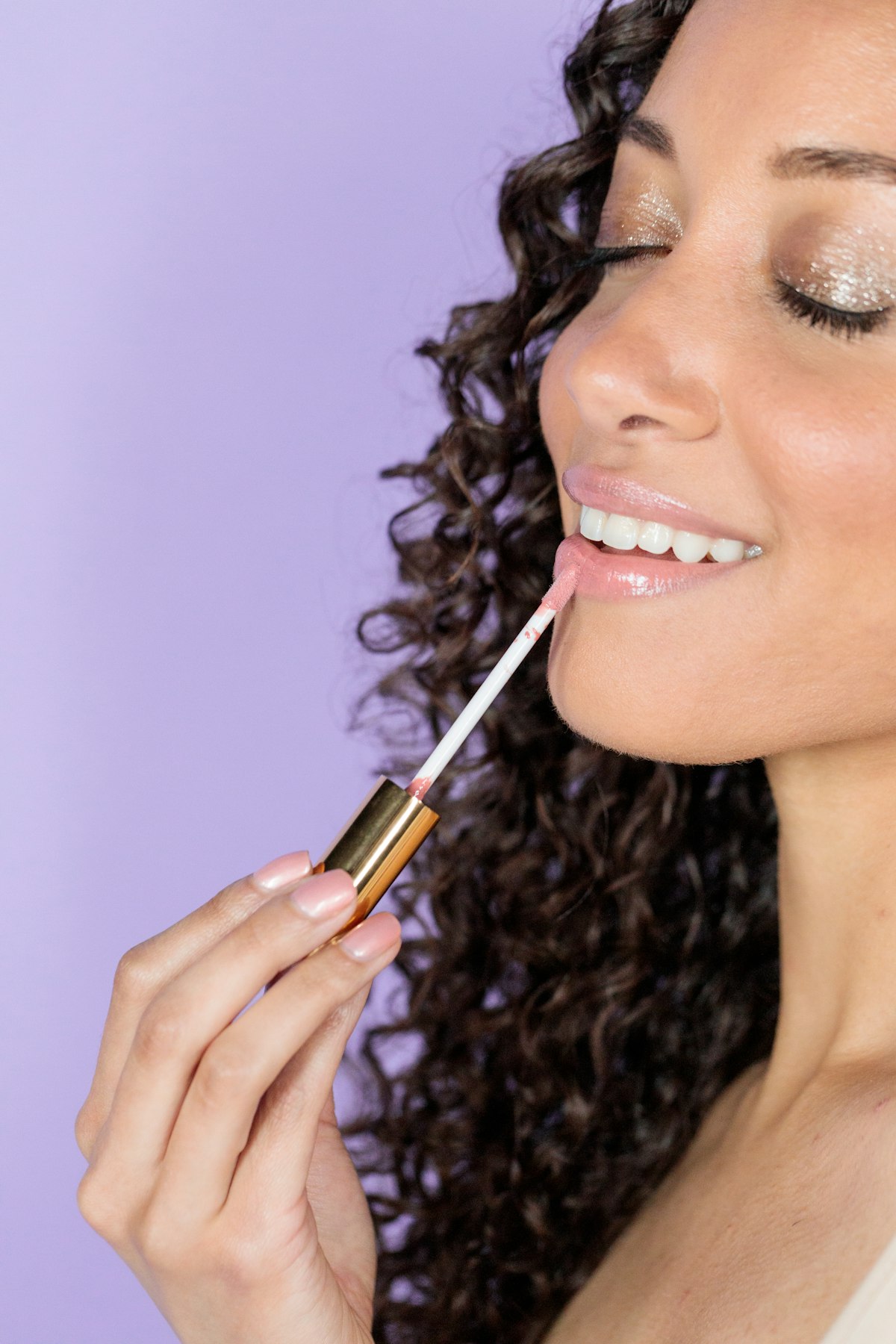
There's a specific kind of heartbreak in reaching into your bag for a quick lip touch-up and pulling out a product that's either gloriously shiny but gone in twenty minutes, or comfortable and nourishing but too subtle for the dinner you're heading to. Lip oil and lip gloss live in the same purse pocket but do different jobs.
Both have earned their place in the modern makeup bag — the trick is knowing which one your lips, and your plans, actually need.
The short version
Think of it this way: a lip oil is skincare with a tint — a lightweight, treatment-style product built on nourishing oils that sinks in and leaves a soft sheen. A lip gloss is makeup first — a film that sits on top of the lips for visible shine, sparkle, or color payoff, sometimes with plumping ingredients. If your lips are chronically dry, reach for the oil; if you want your lips to be noticed across a room, reach for the gloss. Three worth knowing well:
- e.l.f. Glow Reviver Lip Oil
- NYX Professional Makeup Butter Gloss
- Clarins Lip Comfort Oil
What to look for
Read the first ingredients. A true lip oil leads with plant oils — jojoba, apricot, avocado, squalane — and feels cushiony but never sticky. A gloss leads with film-formers and shine agents; it may contain oils too, but the texture is thicker and the finish is glassier. Neither is better; they're built differently on purpose.
Then consider pigment. Most lip oils are sheer tints that let your natural lip color show through, which makes them forgiving and easy to reapply without a mirror. Glosses range from sheer to fully opaque lipstick-level color. If you hate touch-up anxiety, sheer oil wins; if your outfit needs a statement lip, pigmented gloss wins.
Staying power is the honest trade-off. Oils absorb — that's their comfort advantage and their longevity disadvantage, usually a couple of hours. Gloss lasts longer on the surface but can migrate, catch your hair on a windy day, and needs a steadier hand to reapply evenly.
Glow Reviver Lip Oil
- Apricot, avocado, jojoba and pomegranate oils in the formula
- Large cushioned applicator wand
- Sheer tint shades plus a clear option
What we like
- Feels like a treatment, looks like a gloss
- Non-sticky finish that wears comfortably all day
Good to know
- Tint is sheer — not a lipstick replacement
- Needs reapplying every couple of hours
Butter Gloss
- Buttery, non-sticky gloss texture
- One of the largest shade ranges in the drugstore aisle
- Sheer-to-medium buildable pigment
What we like
- Glass-like shine without the gluey feel
- A shade for virtually every undertone and mood
Good to know
- Sweet scent won't appeal to everyone
- Wears off quickly after eating or drinking
Lip Comfort Oil
- Formulated with organic sweetbriar rose oil per the brand
- Lip Comfort Oil line is the original prestige lip oil benchmark
- Cushioned, curved applicator shaped to the lips
What we like
- Truly nourishing feel that doubles as lip care
- Elegant sheer tint with a plump, glossy look
Good to know
- Premium price compared with the drugstore picks
- Shade range is smaller than gloss lines
When the lip oil is the right call
Lip oil shines in everyday life: desk drawers, gym bags, school runs, flights. It behaves like a balm, so dry, flaky, or post-winter lips tolerate it far better than most glosses, and the sheer tint means reapplying on the move never creates the uneven buildup that gloss can. It's also the friendlier choice over matte lipstick — a dab in the center revives a flat, tired lip look without changing the color underneath.
If your lips peel constantly, make oil your default and keep gloss for occasions. Just remember that "oil" on a label isn't a guarantee: some products are essentially scented gloss in oil clothing. The texture test is reliable — real lip oil feels like a treatment slipping on, not like syrup.
When gloss still wins
Gloss is unbeatable for impact. A clear or shimmer gloss layered over lipstick creates dimension that oil can't match, and modern non-sticky formulas have retired the hair-glued-to-lips era for most wearers. For photos, evenings, and any look where lips are the feature, gloss delivers the payoff.
Gloss also layers more predictably: over lip liner it can fake fullness by catching light on the center of the lip. If longevity matters — a long dinner, a wedding — a long-wear gloss over a stained or lined base will outlast any oil.
FAQ
Can I wear lip oil instead of lip balm?
For daytime, yes — a good lip oil hydrates and protects while you're awake and reapplying anyway. Overnight, a thick occlusive balm still wins, because it seals moisture in for eight hours of sleep while an oil absorbs away.
Does lip oil make lips dependent or drier over time?
No. Oils condition the surface; they don't alter how your lips produce moisture. If your lips feel dry without product, that's their natural state being revealed, not a dependency being created.
Which one works better over lipstick?
Gloss, for shine and drama — apply it to the center of the lips to avoid moving the color underneath. A small amount of oil works for a softer revival, but too much can break down lipstick and shorten its wear.
Is lip oil or gloss better for mature lips?
Oil is usually kinder: it doesn't settle into vertical lip lines the way thick gloss can, and the conditioning base keeps the lip surface smooth. If you love gloss, choose a sheer, non-glitter formula and keep it away from the lip edges.
You don't have to pick a team forever. Most makeup bags end up holding both — oil for the life you live most days, gloss for the moments you want your lips to enter the room before you do.